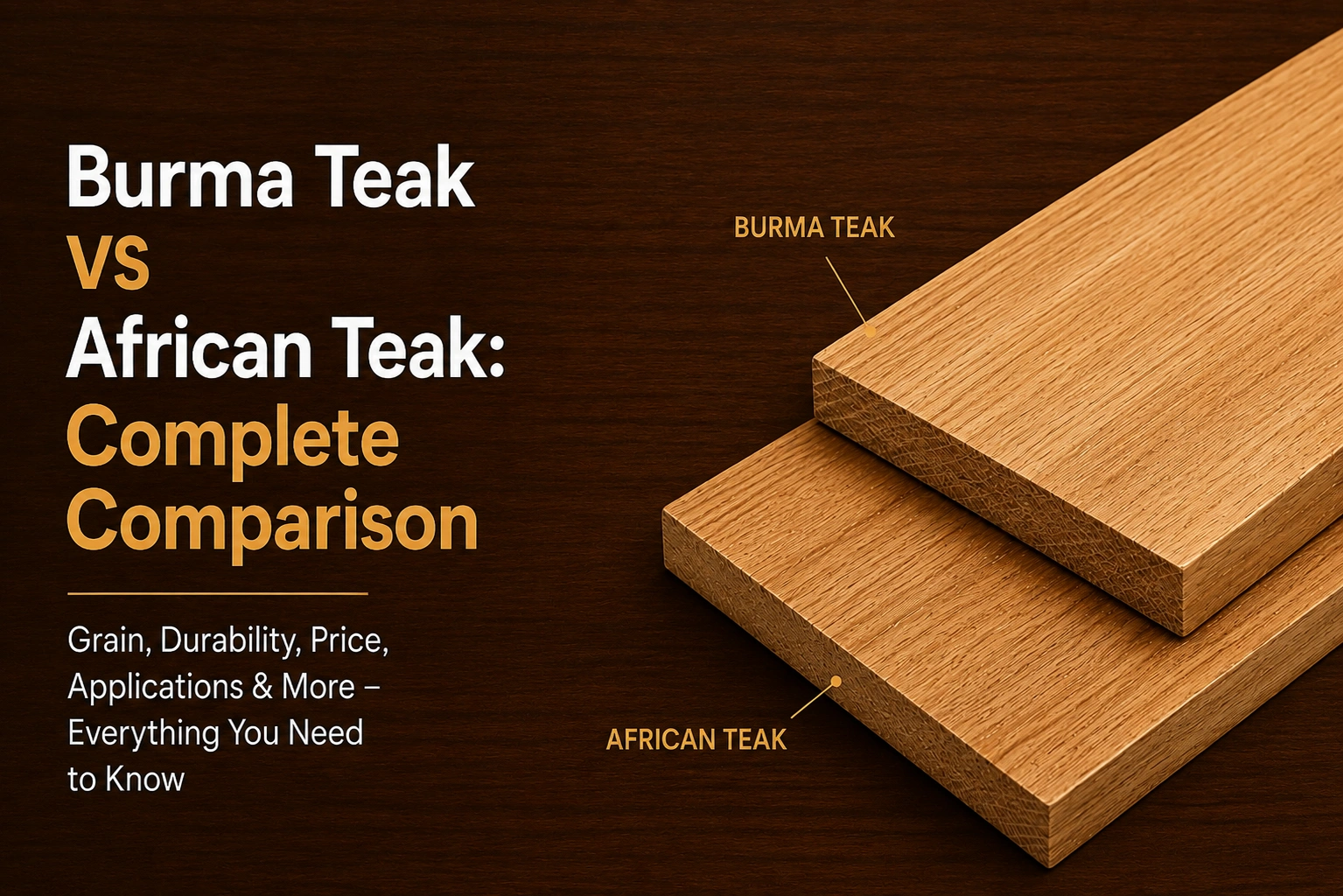

Softwood advantages make it a practical choice for modern construction, architecture, interiors, and commercial projects. Its relatively low weight, workability, availability, and versatility make species such as pine, spruce, and cedar useful for structural components, cladding, furniture, joinery, and other applications when the correct grade and specification are selected.
What Is Softwood?
Softwood is timber obtained primarily from coniferous trees, such as pine, spruce, fir and cedar. The term “softwood” describes the botanical group rather than simply indicating that the timber is physically soft. Some softwoods can have considerable strength and durability depending on the species and grade.
In modern construction, softwoods are selected according to their density, strength, moisture condition, durability, grain characteristics and intended application.
BFP’s softwood portfolio includes species such as red pine, white spruce, yellow cedar, red cedar and other timber solutions.
Why Are Softwoods Important for Modern Construction?
Construction projects increasingly require materials that balance performance, weight, workability, availability and cost.
Softwood can meet these requirements across a wide range of applications.
The major advantages include:
- Lightweight construction material
- Good strength-to-weight ratio in suitable species
- Easy machining and fabrication
- Fast processing
- Wide range of applications
- Attractive natural appearance
- Availability in different grades and dimensions
- Suitable for engineered wood production
- Useful for interior and exterior applications
- Potentially efficient material utilisation
The key is choosing the right species and grade rather than treating all softwood as one category.
10 Major Advantages of Softwood
1. Lightweight and Easy to Handle
One of the most important advantages of softwood is its relatively low weight compared with many dense hardwoods.
This can make transportation, handling, cutting and installation more convenient.
For construction professionals, lower material weight can be particularly useful when working with:
- Wall systems
- Ceiling elements
- Interior partitions
- Roof components
- Cladding
- Furniture
- Architectural joinery
However, structural suitability must always be determined according to the specific species, grade and engineering requirements.
2. Excellent Workability
Many softwoods can be cut, drilled, shaped and machined efficiently using standard woodworking equipment.
This makes them particularly useful for contractors, fabricators and furniture manufacturers.
Good workability can help with:
- Faster fabrication
- Custom profiles
- Detailed joinery
- Panel production
- Furniture manufacturing
- Interior architectural elements
This is one reason softwood remains relevant even as modern construction adopts increasingly advanced materials.
3. Strong Performance for Its Weight
A common misconception is that softwood automatically means weak wood.
That is not correct.
Certain softwood species offer useful strength-to-weight characteristics, making them suitable for construction and structural applications when appropriately graded and specified.
For example, spruce is widely valued for its lightweight characteristics, while species such as Southern Yellow Pine can provide strong performance for demanding applications.
The appropriate timber should therefore be selected based on engineering requirements rather than simply whether it is classified as hardwood or softwood.
4. Versatile Construction Applications
Softwood can be used across multiple stages of a building project.
Typical applications include:
- Framing
- Roofing components
- Wall cladding
- Interior panelling
- Doors and windows
- Furniture
- Joinery
- Partitions
- Decorative elements
- Outdoor structures
This versatility makes softwood a useful material category for architects and builders working across residential, hospitality and commercial projects.
5. Suitable for Modern Interior Design
Natural wood has become an important element in contemporary interiors.
Softwoods can introduce a lighter and warmer appearance into modern spaces.
Depending on species and finish, they can be used for:
- Wall panelling
- Ceiling cladding
- Feature walls
- Furniture
- Shelving
- Partitions
- Decorative screens
For example, redpine wood can be considered when a natural timber appearance and versatile softwood characteristics are required.
6. Wide Variety of Species
Another major advantage is the range of species available.
Different softwoods provide different combinations of colour, grain, density, durability and workability.
For example:
| Softwood | Key Characteristics | Typical Applications |
|---|---|---|
| Red Pine | Natural grain, versatile | Furniture, interiors, construction |
| White Spruce | Lightweight, workable | Construction, interiors, joinery |
| Yellow Cedar | Durable and stable | Cladding, doors, windows, outdoor applications |
| Red Cedar | Natural durability | Exterior cladding, outdoor structures |
| Southern Yellow Pine | Strong and versatile | Construction and structural applications |
BFP’s product range includes several of these softwood categories.
7. Good Finishing Potential
Softwoods can be painted, stained, polished or otherwise finished depending on species and intended application.
This gives architects and designers greater flexibility.
A single timber species can potentially be adapted to different interior concepts through:
- Natural finishes
- Clear coatings
- Stains
- Paint
- Textured finishes
The correct preparation and finishing system remains essential for achieving consistent results.
8. Suitable for Exterior Applications
Not every softwood is suitable for outdoor use, but certain naturally durable species perform well in exterior environments.
Yellow cedar wood, for example, is known for durability, stability and natural resistance to harsh weather conditions. BFP lists applications including exterior doors, windows, decking, cladding and architectural elements.
Similarly, red cedar wood can be considered for exterior applications where natural durability and weather performance are important.
The important principle is to match the species with the exposure conditions.
9. Useful for Sustainable Construction Strategies
Wood is a renewable natural material when sourced from responsibly managed forests.
However, sustainability depends on where the timber comes from, how forests are managed, how the wood is processed and how long the product remains in service.
BFP states that it focuses on responsible sourcing and supports certified options such as FSC® products on request.
This makes responsible timber sourcing an important consideration for architects and developers pursuing environmentally conscious construction.
10. Suitable for Engineered Wood Products
Softwood is also used as a raw material in engineered wood products.
These products can help manufacturers achieve greater consistency in dimensions and performance while making efficient use of timber resources.
BFP’s engineered wood portfolio includes products such as three-layer softwood panels and other engineered solutions.
This expands the role of softwood beyond conventional solid timber applications.
Softwood vs Hardwood: Which Is Better?
There is no universal winner.
| Factor | Softwood | Hardwood |
|---|---|---|
| Weight | Often lighter | Often denser |
| Workability | Generally easy | Species dependent |
| Growth | Often faster-growing | Often slower-growing |
| Applications | Construction, interiors, joinery | Furniture, flooring, premium interiors |
| Appearance | Light and natural | Wide range of colours and grain |
| Exterior performance | Species dependent | Species dependent |
| Cost | Often more accessible | Can be premium |
| Sustainability | Depends on sourcing | Depends on sourcing |
The important point is that species and application matter more than the simple hardwood-versus-softwood label.
Read More: Softwood vs Hardwood
How to Select the Right Softwood for a Project
Step 1: Define the Application
Determine whether the timber is intended for construction, furniture, cladding, doors, interiors or another purpose.
Step 2: Select the Species
Choose a species according to required strength, appearance, durability and environmental exposure.
Step 3: Check Moisture Content
Moisture condition is critical for dimensional stability.
Step 4: Check Grade and Dimensions
Confirm the grade, thickness, width, length and allowable defects according to the project specification.
Step 5: Consider the Environment
For exterior applications, consider:
- Rain exposure
- Humidity
- Temperature fluctuations
- UV exposure
- Termites
- Fungal decay
Step 6: Choose the Correct Finish
Select the coating or treatment according to whether the timber is being used indoors or outdoors.
Step 7: Source from a Reliable Supplier
A professional timber supplier should be able to provide species information, product specifications and appropriate sourcing documentation.
Common Mistakes When Choosing Softwood
Choosing Only by Price
The cheapest timber may not provide the required grade, moisture condition or performance.
Assuming All Softwoods Are the Same
Pine, spruce, cedar and fir have different characteristics and applications.
Ignoring Moisture Content
Poorly conditioned timber can experience dimensional movement after installation.
Using Interior-Grade Timber Outdoors
Exterior applications require appropriate species, treatment, detailing and finishing.
Focusing Only on Appearance
Visual appeal is important, but strength, stability, durability and moisture condition should also be evaluated.
Expert Recommendation: How Should You Specify Softwood?
For architects, builders and contractors, the best approach is to specify softwood according to application rather than species popularity alone.
For example:
- Choose lightweight species for appropriate interior applications.
- Consider stronger grades for construction requirements.
- Select naturally durable species for suitable exterior applications.
- Use properly dried timber for improved dimensional stability.
- Consider engineered softwood products where consistent dimensions are required.
BFP’s product portfolio includes multiple softwood options, allowing professionals to compare species according to their project’s performance and design requirements.
Why Choose Bansal Forest Products?
Bansal Forest Products (BFP) has been involved in the timber industry since 1957 and describes itself as one of India’s major timber suppliers, with a broad portfolio covering softwood, teak, exotic wood, thermo wood, engineered wood, logs and other timber solutions.
BFP states that it imports timber from more than 25 origins and supports pan-India supply through strategically located warehouses.
For architects, builders, furniture manufacturers, contractors and timber dealers, this broad product range can make it easier to evaluate different wood species for specific project requirements.
BFP’s softwood collection includes options such as red pine, white spruce, yellow cedar and red cedar, giving professionals multiple choices for interior, construction and exterior applications.
Key Takeaways
The major softwood advantages include:
- Lightweight handling
- Good workability
- Useful strength-to-weight performance
- Multiple species and grades
- Wide construction applications
- Good finishing potential
- Interior design versatility
- Suitable exterior species
- Compatibility with engineered wood products
- Potential for responsible sourcing
The most important takeaway is that softwood should not be selected simply because it is cheaper or lighter. The correct species, grade, moisture content, treatment and application should determine the final choice.
Frequently Asked Questions
1. What are the main advantages of softwood?
The main advantages include lightweight handling, workability, versatility, availability, useful strength-to-weight characteristics and suitability for a wide range of construction and interior applications.
2. Is softwood good for construction?
Yes. Several softwood species are widely used in construction, provided the correct grade and specification are selected for the intended structural or architectural application.
3. Is softwood weaker than hardwood?
Not necessarily. Hardwood and softwood are botanical classifications rather than direct measures of strength. Some softwoods can have excellent strength and performance characteristics.
4. Which softwood is best for exterior applications?
It depends on the environment and application. Naturally durable species such as yellow cedar and red cedar can be considered for appropriate exterior projects.
5. Is softwood suitable for modern interiors?
Yes. Softwood can be used for wall panelling, ceilings, furniture, partitions, shelving, doors and decorative architectural elements.
6. What should I check before buying softwood?
Check the species, grade, moisture content, dimensions, defects, intended application, treatment requirements and supplier documentation.
7. Is softwood sustainable?
Softwood can be a responsible material choice when sourced from well-managed forests. Certification and traceability can help buyers evaluate responsible sourcing practices.
Conclusion
Softwood continues to play an important role in modern construction because it offers a practical balance of weight, workability, versatility, performance and design flexibility.
From structural applications and interior panelling to furniture, doors, cladding and engineered wood products, the right softwood can support a wide range of architectural requirements.
However, there is no single “best” softwood for every project. The right decision depends on species, grade, moisture content, environmental exposure, design requirements and expected performance.
With its broad portfolio of softwoods and other timber categories, Bansal Forest Products can help architects, builders, contractors, furniture manufacturers and designers evaluate suitable wood solutions for their projects.
Get the Right Softwood for Your Project
Looking for premium softwood for construction, interiors, furniture or architectural applications?
- Visit Us: https://bfppl.com/
- WhatsApp Us: +91-99920 23797
- Email Us: enquiry@bfppl.com