Yellow cedar wood is a premium, slow-growing softwood valued for its exceptional durability, dimensional stability, fine grain, and natural resistance to decay. It is widely used for exterior cladding, decking, furniture, boat building, doors, and architectural projects where long-lasting performance and elegant appearance are essential.
Introduction
When choosing timber for premium residential or commercial projects, durability and appearance are equally important. Among the world’s most reliable softwoods, yellow cedar wood stands out for its remarkable strength, natural weather resistance, and elegant grain.
Although classified as a softwood, yellow cedar performs exceptionally well in demanding environments where moisture, insects, and changing weather conditions are common. Its long service life and low maintenance requirements have made it a preferred material for architects, builders, furniture manufacturers, and designers across the globe.
Whether you’re planning luxury outdoor spaces, premium furniture, or architectural woodwork, understanding the characteristics of yellow cedar helps you select the right timber for long-term performance.
What Is Yellow Cedar Wood?
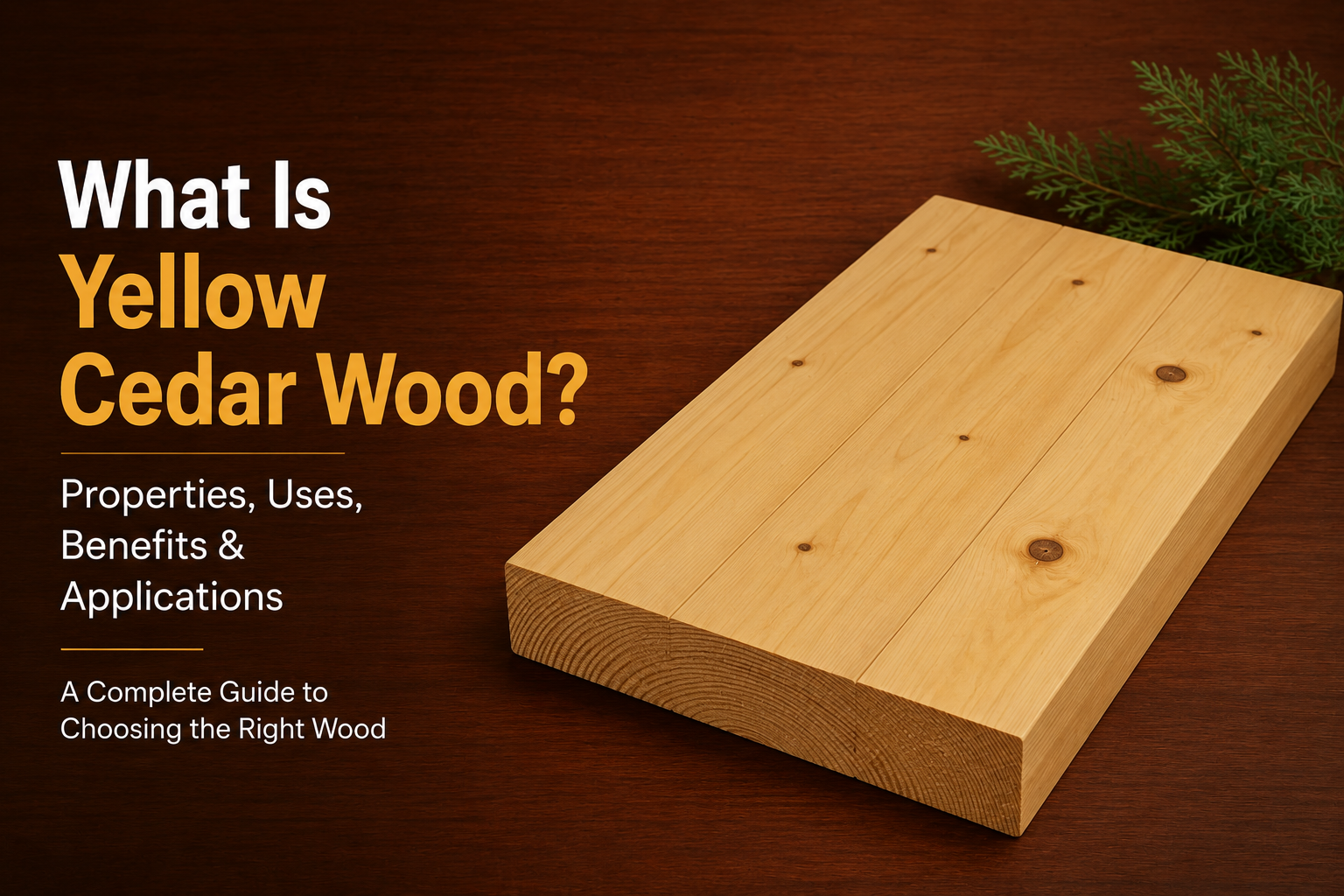
Yellow cedar wood, also known as Alaskan yellow cedar, is sourced primarily from the Pacific Northwest region of North America. It belongs to the cypress family and is recognised for its fine texture, straight grain, and exceptional resistance to decay.
Unlike many traditional softwoods, yellow cedar has a slow growth rate that contributes to its dense structure and impressive durability.
It is widely used in applications where both beauty and structural performance are required, making it one of the most sought-after imported timber species for premium projects.
As part of the premium soft wood range, yellow cedar combines the workability of softwoods with durability that rivals many hardwood species.
Why Is Yellow Cedar Wood Important?
Choosing the right timber directly impacts the lifespan, maintenance, and appearance of any project.
Yellow cedar is particularly valued because it offers:
- Excellent natural durability
- Superior weather resistance
- Outstanding dimensional stability
- Attractive light golden colour
- Easy machining and finishing
- Long service life
These characteristics make it suitable for architects and builders seeking reliable timber for both interior and exterior applications.
Properties of Yellow Cedar Wood
Yellow cedar possesses a unique combination of physical and mechanical properties that distinguish it from other softwood species.
Fine and Uniform Grain
Its straight grain and smooth texture allow excellent machining, carving, sanding, and finishing, making it ideal for premium woodworking.
Excellent Dimensional Stability
Yellow cedar experiences minimal shrinkage or expansion, helping maintain structural integrity even in changing weather conditions.
Natural Decay Resistance
One of its greatest advantages is its natural resistance to fungal decay, moisture, and insects without requiring extensive chemical treatment.
Lightweight Yet Strong
Despite being relatively lightweight, yellow cedar provides excellent structural performance for architectural and construction applications.
Pleasant Natural Appearance
Its pale yellow colour gradually matures into an attractive silver-grey patina when exposed to outdoor environments, adding character to exterior projects.
Benefits of Yellow Cedar Wood
Professionals choose yellow cedar because it offers numerous practical and aesthetic advantages.
Outstanding Weather Resistance
Yellow cedar performs exceptionally well in humid climates and outdoor environments where many other wood species deteriorate quickly.
Low Maintenance
Its natural oils help resist moisture and decay, reducing long-term maintenance requirements.
Long Service Life
Properly installed yellow cedar products can last for decades, making them an economical long-term investment.
Easy to Work With
Carpenters and furniture manufacturers appreciate its excellent machining properties, allowing precise cutting, shaping, and finishing.
Sustainable Choice
Responsibly sourced yellow cedar supports environmentally conscious construction and sustainable design practices.
Common Applications of Yellow Cedar Wood
The versatility of yellow cedar allows it to be used across multiple industries.
Popular applications include:
- Exterior cladding
- Decking
- Pergolas
- Outdoor furniture
- Doors and windows
- Boat building
- Luxury cabins
- Timber framing
- Architectural woodwork
- Landscaping projects
Its combination of durability and visual appeal makes it one of the most dependable materials for exterior construction.
Yellow Cedar Wood vs Other Softwoods
Selecting the right timber depends on project requirements, environmental conditions, and desired aesthetics.
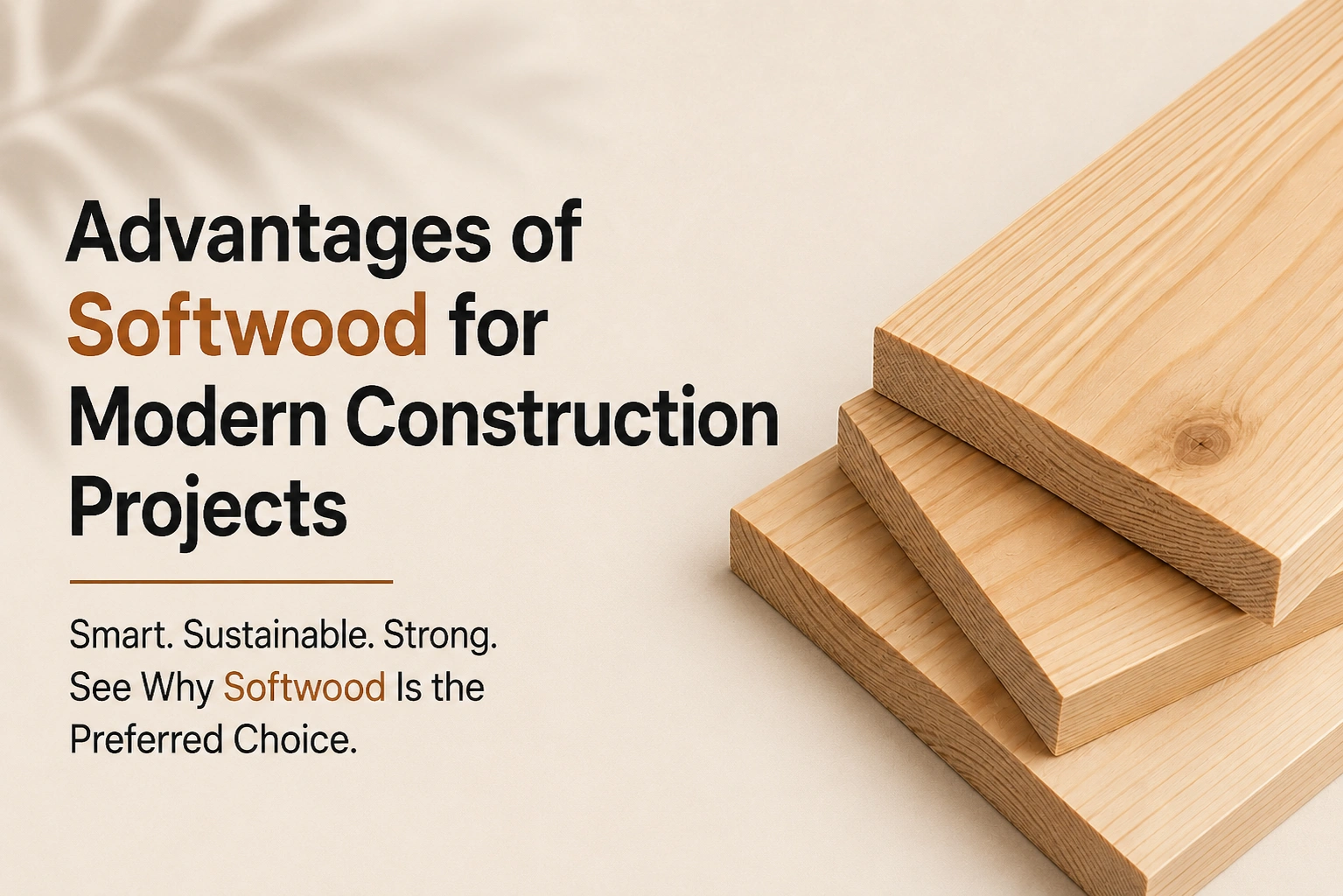
For structural framing and residential construction, many builders also consider red pine wood, which offers excellent strength and versatility.
Projects requiring light-coloured timber with outstanding acoustic and construction properties often utilise white spruce wood, particularly for framing, interiors, and specialty applications.
When comparing cedar species, red cedar wood is another popular option for fencing, cladding, pergolas, and outdoor furniture due to its natural resistance to weather and insects.
Yellow Cedar Comparison Table
| Feature | Yellow Cedar Wood | Red Cedar Wood | Red Pine Wood |
|---|---|---|---|
| Natural Durability | Excellent | Excellent | Good |
| Moisture Resistance | Excellent | Excellent | Moderate |
| Insect Resistance | Excellent | Excellent | Moderate |
| Dimensional Stability | Excellent | Good | Good |
| Outdoor Applications | Excellent | Excellent | Good |
| Furniture | Excellent | Good | Good |
| Machining | Excellent | Excellent | Excellent |
| Maintenance | Low | Low | Moderate |
How to Choose the Right Yellow Cedar Wood
Step 1 – Define Your Application
Before purchasing timber, identify where it will be used.
For example:
- Exterior cladding
- Decking
- Outdoor furniture
- Doors
- Architectural woodwork
- Commercial landscaping
The intended application determines the grade, dimensions, and finish required for optimal performance.
Step 2 – Evaluate Environmental Conditions
Projects exposed to moisture, heavy rainfall, coastal climates, or changing temperatures benefit significantly from yellow cedar’s natural weather resistance.
Selecting the right timber based on environmental conditions helps maximise durability while reducing future maintenance costs.
Step 3 – Check the Wood Grade and Quality
Not all yellow cedar timber is processed to the same standard. Before purchasing, inspect the timber for:
- Straight grain
- Uniform colour
- Minimal knots
- Proper seasoning
- Smooth surface finish
- Consistent dimensions
High-quality timber ensures easier installation, improved aesthetics, and long-term durability.
Step 4 – Consider Maintenance Requirements
Although yellow cedar wood is naturally durable and weather-resistant, routine care helps preserve its appearance and extend its service life.
For outdoor applications:
- Clean the surface periodically.
- Remove dirt and debris.
- Apply protective finishes if you want to maintain its original golden colour.
- Allow proper ventilation during installation.
If left untreated outdoors, yellow cedar develops an attractive silver-grey patina while maintaining its structural integrity.
Step 5 – Choose a Trusted Timber Supplier
Even the best wood species can underperform if sourced from an unreliable supplier.
Working with an experienced timber importer ensures:
- Premium imported timber
- Proper moisture content
- Reliable grading standards
- Consistent stock availability
- Expert product guidance
- Nationwide delivery support
A trusted supplier helps reduce installation issues and improves the long-term performance of your project.
Common Mistakes to Avoid When Buying Yellow Cedar Wood
Selecting premium timber is an investment. Avoid these common mistakes before making your purchase.
❌ Choosing Wood Only by Price
Lower-cost timber may not deliver the durability or appearance required for premium projects. Always evaluate quality and intended application rather than focusing only on cost.
❌ Ignoring Project Requirements
Using the wrong timber species for exterior or high-moisture applications may reduce the lifespan of the finished project.
❌ Not Checking Moisture Content
Improperly seasoned wood may shrink, expand, or warp after installation.
Always source timber that has been professionally processed and stored.
❌ Purchasing from Unverified Suppliers
Imported timber should come from suppliers with strong sourcing capabilities, quality assurance processes, and technical expertise.
Expert Recommendation
From an architectural and construction perspective, yellow cedar wood is one of the most dependable softwood species available for premium exterior applications.
Its combination of:
- Natural durability
- Excellent dimensional stability
- Superior weather resistance
- Elegant appearance
- Low maintenance
makes it an excellent investment for long-lasting residential and commercial projects.
Rather than selecting timber solely based on appearance, professionals recommend evaluating durability, environmental conditions, maintenance requirements, and supplier credibility before making a final decision.
Why Choose Bansal Forest Products?
When quality and reliability matter, choosing the right timber supplier is just as important as selecting the right wood species.
Bansal Forest Products (BFP) is one of the largest Premium Timber Suppliers in India, offering one of the country’s most comprehensive portfolios of imported timber solutions.
From premium softwoods and exotic hardwoods to thermo wood, teak wood, engineered wood, logs, and sawn timber, BFP serves architects, builders, furniture manufacturers, contractors, dealers, hospitality projects, infrastructure developments, and export-oriented industries across India.
With numerous wood varieties available under one roof, advanced sourcing capabilities, and a strong nationwide distribution network, BFP has established itself as one of India’s biggest importers and suppliers of premium timber.
Whether your project involves luxury residences, commercial buildings, hospitality developments, or custom furniture manufacturing, BFP provides high-quality timber backed by technical expertise and dependable supply.
Key Takeaways
Yellow cedar wood continues to be one of the most trusted premium softwoods for architects, designers, builders, and manufacturers seeking long-lasting performance and elegant aesthetics.
Before selecting yellow cedar, remember to:
✔ Understand your project requirements.
✔ Compare timber properties.
✔ Evaluate durability and maintenance needs.
✔ Purchase from a trusted premium timber supplier.
✔ Invest in quality for long-term value.
Its natural weather resistance, dimensional stability, and attractive finish make yellow cedar an excellent choice for demanding architectural and construction applications.
Frequently Asked Questions
1. What is yellow cedar wood used for?
Yellow cedar wood is commonly used for exterior cladding, decking, pergolas, outdoor furniture, doors, windows, boat building, architectural woodwork, and premium construction projects.
2. Is yellow cedar wood good for outdoor use?
Yes. Yellow cedar offers excellent natural resistance to moisture, insects, and fungal decay, making it one of the best softwoods for exterior applications.
3. Is yellow cedar stronger than other softwoods?
Yellow cedar provides excellent dimensional stability and durability, making it one of the highest-performing premium softwood species for demanding environments.
4. Does yellow cedar require chemical treatment?
In many exterior applications, yellow cedar performs exceptionally well because of its natural resistance to decay and insects, reducing the need for extensive chemical treatment.
5. What colour is yellow cedar wood?
Freshly milled yellow cedar typically ranges from pale yellow to light golden brown. Over time, outdoor exposure develops an attractive silver-grey patina if left untreated.
6. Is yellow cedar suitable for furniture?
Yes. Yellow cedar is used for premium indoor and outdoor furniture because it machines well, remains dimensionally stable, and offers an elegant natural appearance.
7. Where can I buy premium yellow cedar wood in India?
Bansal Forest Products supplies premium imported yellow cedar wood along with an extensive range of softwoods, hardwoods, thermo wood, teak wood, and engineered wood for projects across India.
Conclusion
Yellow cedar wood combines the best qualities of premium timber—strength, stability, natural durability, and timeless beauty. Its ability to perform exceptionally well in demanding outdoor environments while maintaining an elegant appearance has made it a preferred choice for architects, builders, furniture manufacturers, and homeowners worldwide.
Whether you’re designing luxury exteriors, commercial landscapes, architectural structures, or premium furniture, yellow cedar delivers reliable long-term performance with minimal maintenance.
By sourcing your timber from an experienced supplier like Bansal Forest Products, you gain access to premium-quality imported timber, expert guidance, and dependable nationwide supply for projects of every scale.
Contact Bansal Forest Products
Looking for premium Yellow Cedar Wood for your next project?
Our timber specialists can help you choose the right wood species based on your application, budget, and design requirements.
- Visit Us: https://bfppl.com/
- WhatsApp Us: +91-99920 23797
- Email Us: enquiry@bfppl.com