BFP Thermo® Eucalyptus for Sustainable Architecture
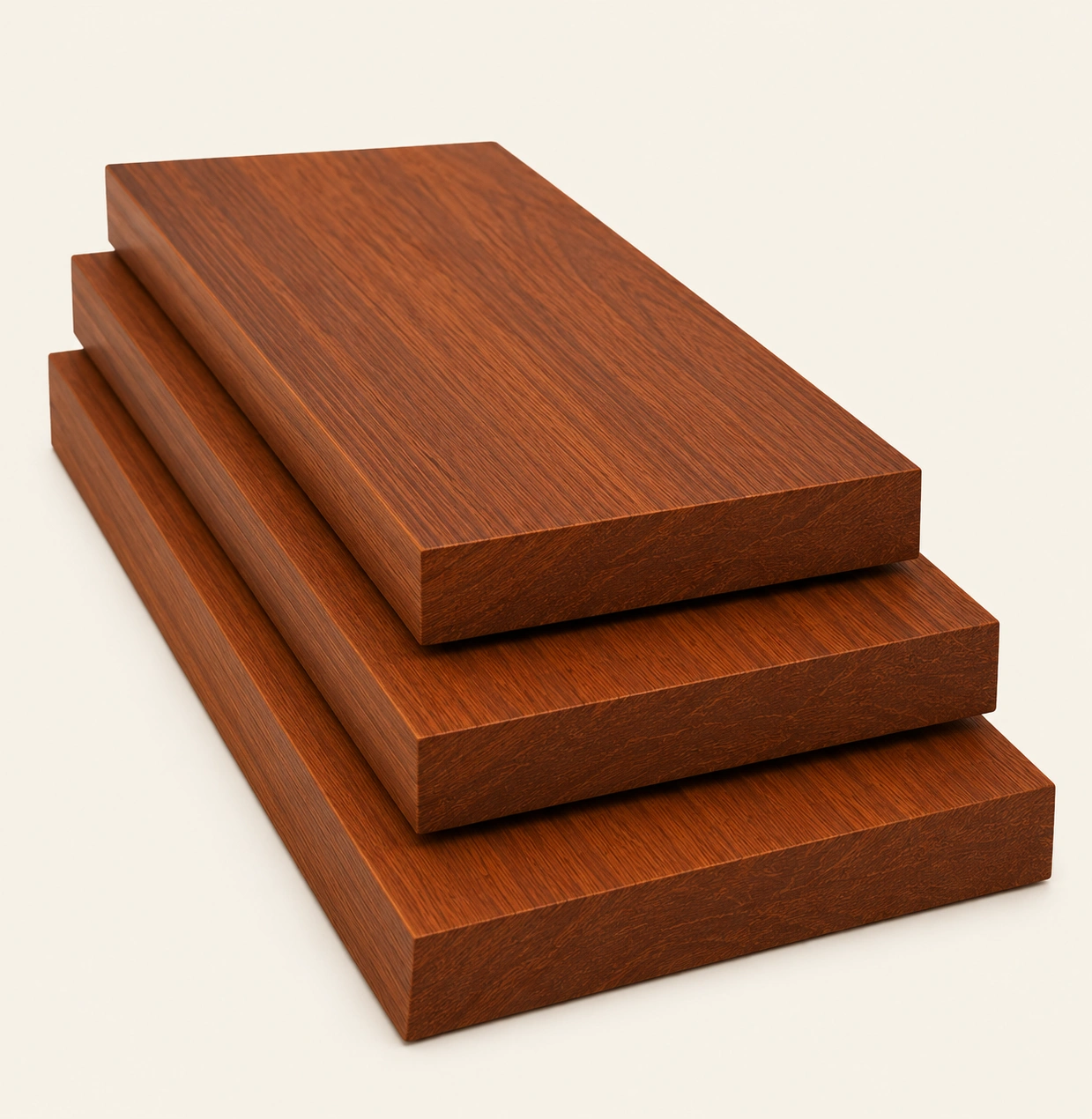
BFP Thermo® Eucalyptus pairs the hardness and rich reddish tone of plantation-grown eucalyptus with thermal modification that markedly improves its dimensional stability — the property this fast-growing hardwood most needs.
What is BFP Thermo® Eucalyptus Wood?
Eucalyptus (family Myrtaceae) is a very large genus, and timber properties vary widely by species. Two of the most commercial are Eucalyptus grandis (rose gum), with a dried density around 640 kg/m³ and a Janka hardness of about 1,260 lbf, and Eucalyptus globulus (blue gum), which is much denser at roughly 820 kg/m³ and very hard at about 2,370 lbf. Across the genus, density can range from about 450 to over 1,100 kg/m³, so eucalyptus should always be specified by species.
Eucalyptus grows exceptionally fast in managed plantations, but in its natural state it is difficult timber: it is prone to high shrinkage, in-service movement, drying stresses, and surface checking, and some species are susceptible to insect and termite attack. BFP Thermo® Eucalyptus is heat-treated at approximately 180–220 °C in a low-oxygen atmosphere, which substantially reduces its moisture uptake and movement and deepens its colour to a uniform caramel-brown through the section.
The most reliable benefit of modifying eucalyptus is this gain in dimensional stability. Improvements in decay durability are real but species-dependent, and are strongest at the top of the temperature range — so for exterior work we advise selecting species and grade to suit the exposure rather than assuming all eucalyptus performs alike.
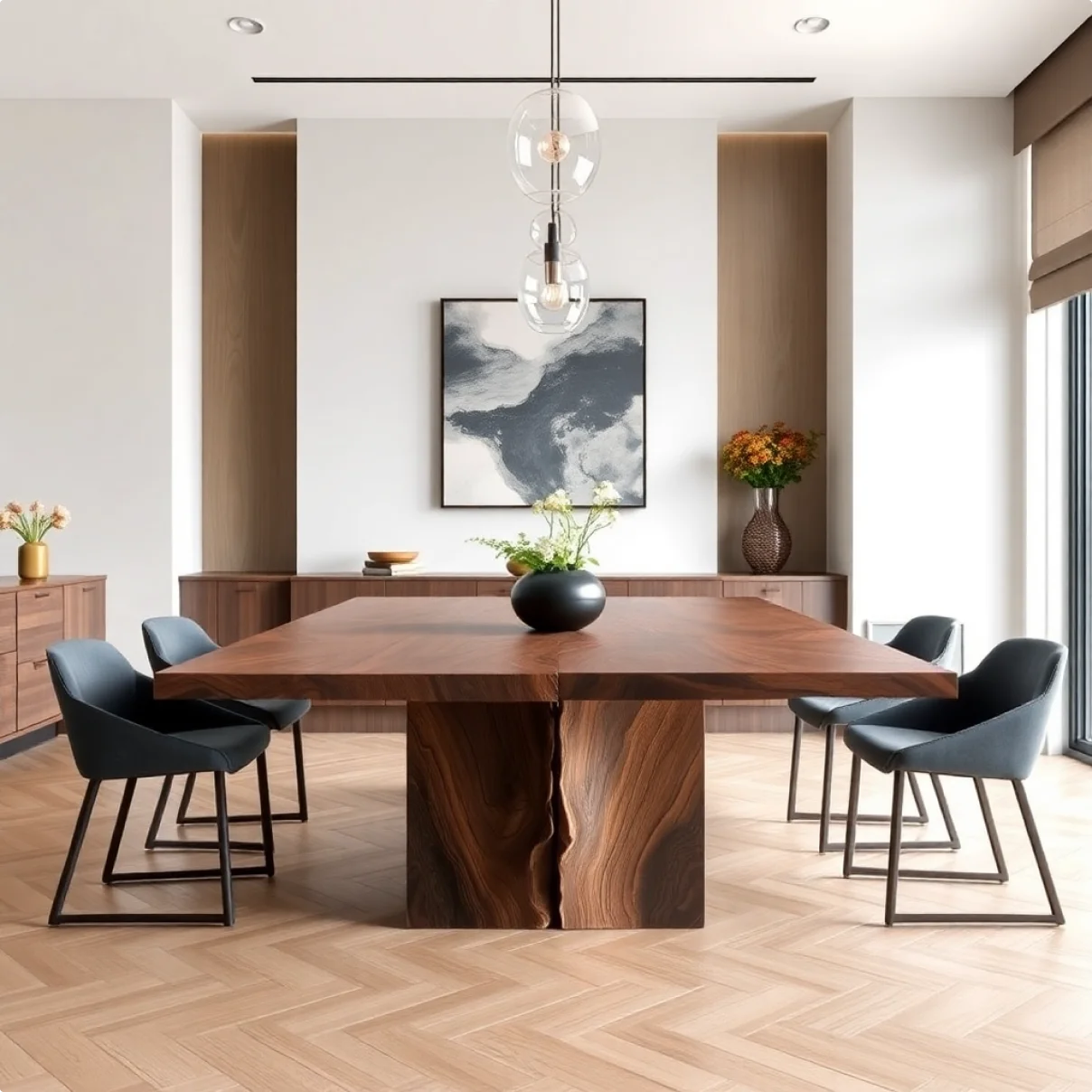
Its natural density gives thermo eucalyptus good wear resistance for flooring and decking, and its warm, tropical-looking tone suits premium cladding and outdoor furniture.
As a trusted timber importer in India — where eucalyptus is widely plantation-grown — we produce eucalyptus in decking and cladding profiles to order. Clients comparing thermo eucalyptus wood price against imported tropical hardwoods often value its combination of hardness and renewable, locally available supply.

Workability
Eucalyptus is dense and frequently has interlocked grain, which can tear out during planing, so sharp tooling is essential. Untreated, it is difficult to dry and prone to checking and growth-stress distortion. Thermal modification calms much of the in-service movement, but the wood remains hard on tools and, like all modified timber, becomes more brittle with some loss of strength — pre-drilling for fixings is recommended.

Sustainability
Eucalyptus is one of the fastest-growing commercial hardwoods, reaching harvestable size far quicker than temperate species, which makes plantation-grown eucalyptus a highly renewable resource. It is not listed in the CITES Appendices or on the IUCN Red List of Threatened Species, and the modification process uses only heat and steam. Sourcing from responsibly managed plantations remains important to its sustainability credentials.

Common Uses
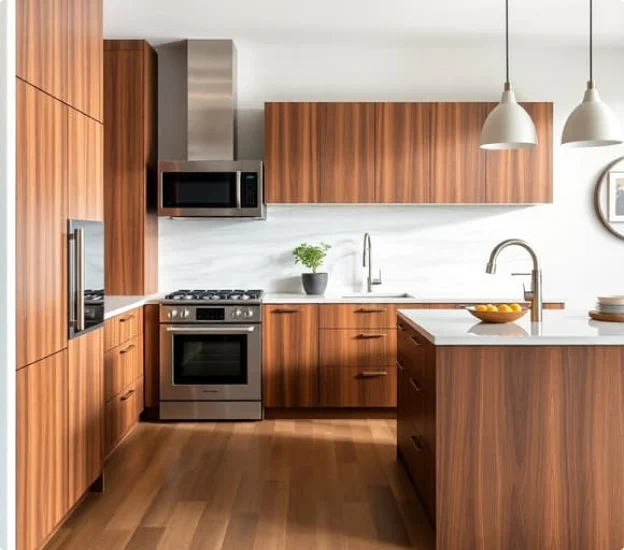
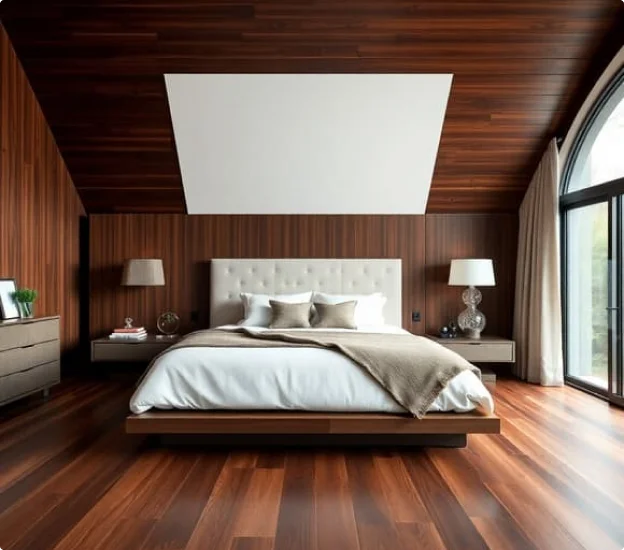
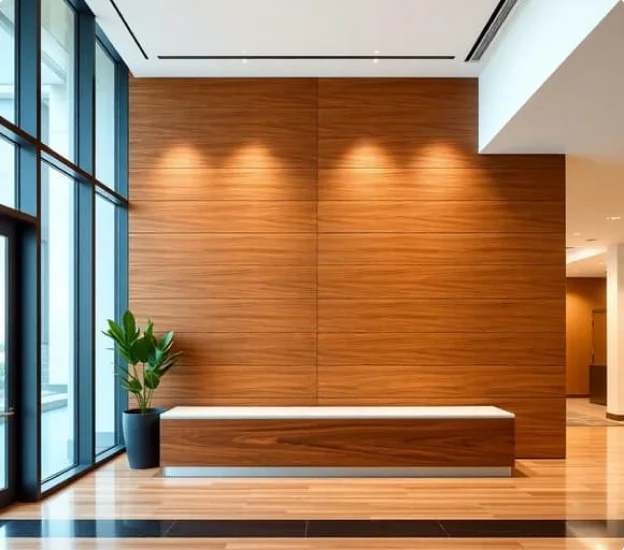
Eucalyptus is used for flooring, furniture, cabinetry, veneer, structural timber, and is the world's leading hardwood pulp species. Thermally modified eucalyptus is marketed chiefly for exterior cladding, decking, and outdoor furniture, where its stability and colour are the main draws.
Our Thermo® Eucalyptus Wood Selection Includes:
- Clear materials with no knots or fractures.
- Exceptional durability with high resistance to moisture, decay, and weathering.
- Enhanced dimensional stability to minimize shrinking, swelling, and warping.
- Thicknesses: 26mm, 38mm, 50mm, 65mm, and 75mm.
- Custom sizes available upon request.
- Country of Origin: Native to Australia; plantation-grown worldwide, including India.

Characteristics
Our Premium BFP Thermo Collection
BFP Thermo® Pine Wood
BFP Thermo® Pine wood presents a sustainable alternative to tropical hardwoods, particularly well-suited for outdoor cladding.
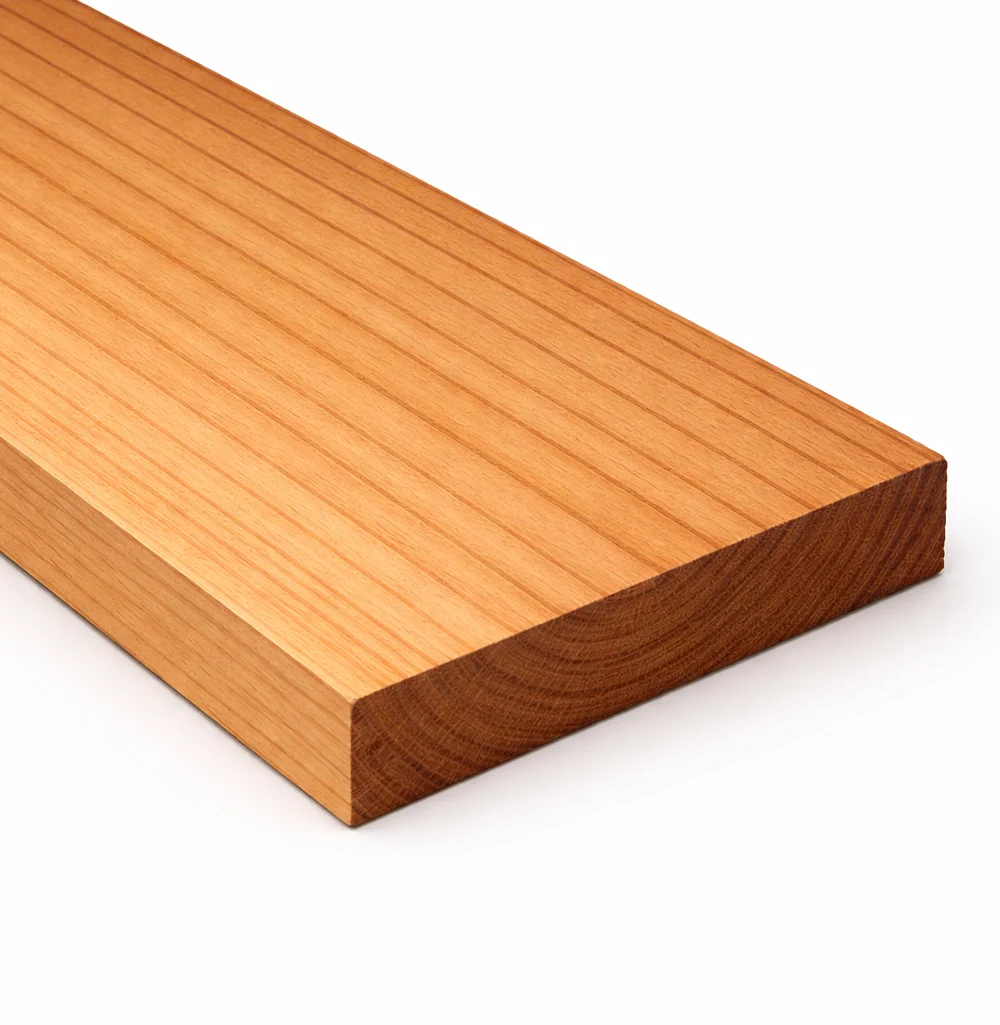
BFP Thermo® Radiata Pine
BFP Thermo® Radiata Pine is a practical choice for construction and design projects due to its enhanced durability and stability.
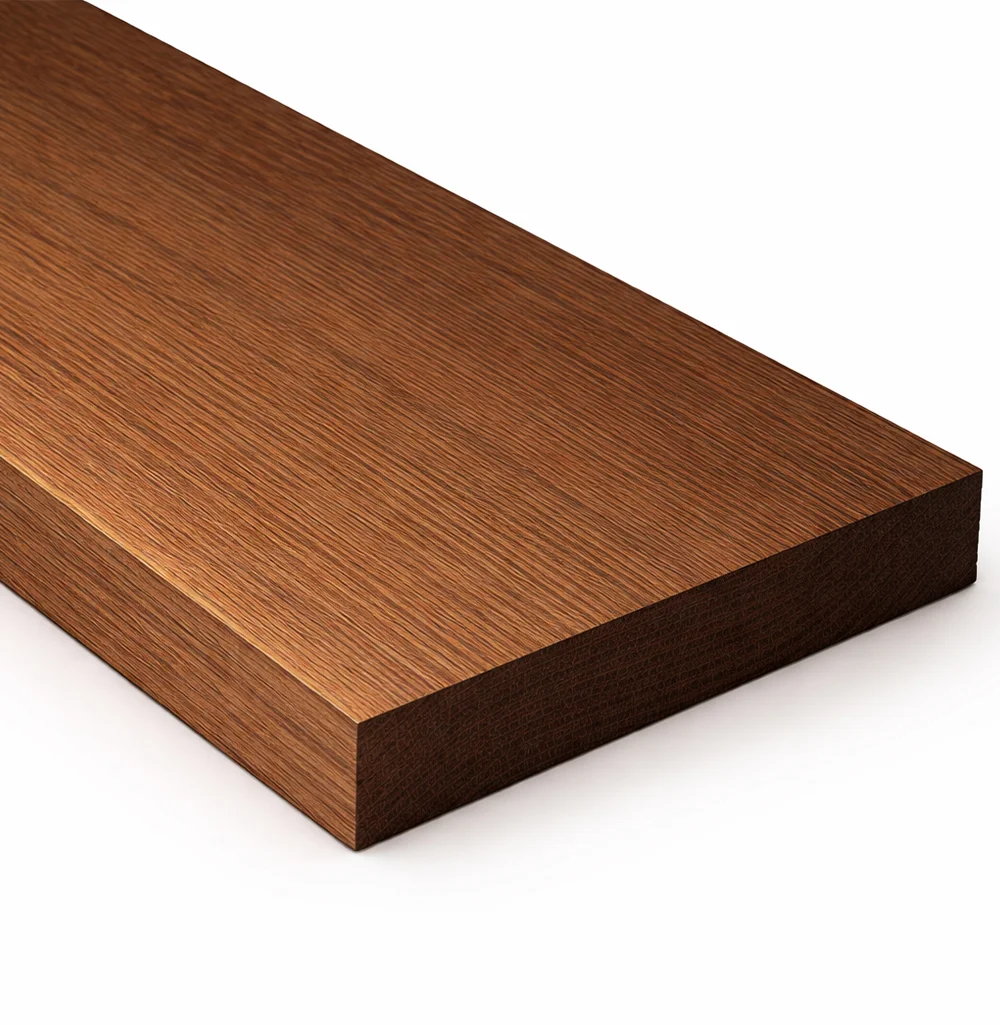
BFP Thermo® Oak
BFP Thermo® Oak is a prized hardwood renowned for its exceptional blend of strength, hardness, and natural resistance to weathering.
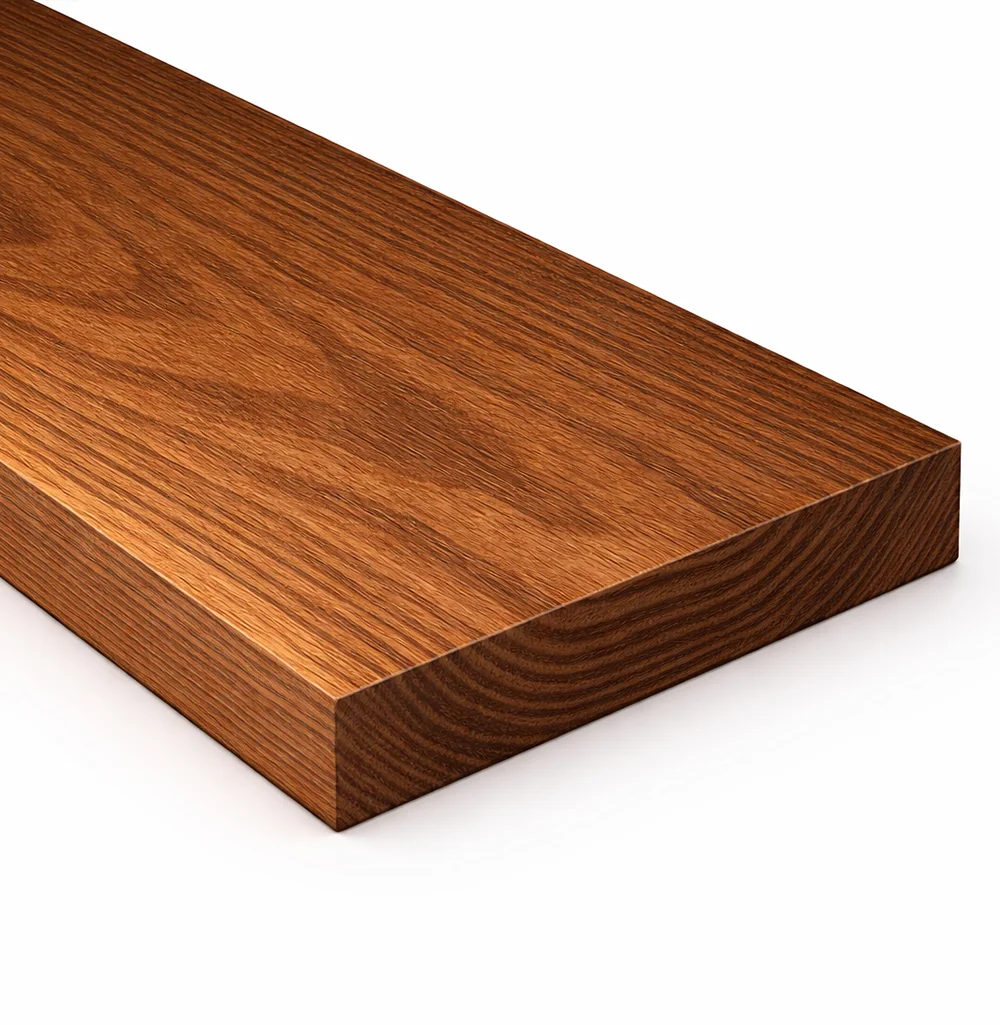
BFP Thermo® Ash Wood
BFP Thermo® Ash undergoes a heat-treatment process to enhance its strength, stability, and visual appeal.
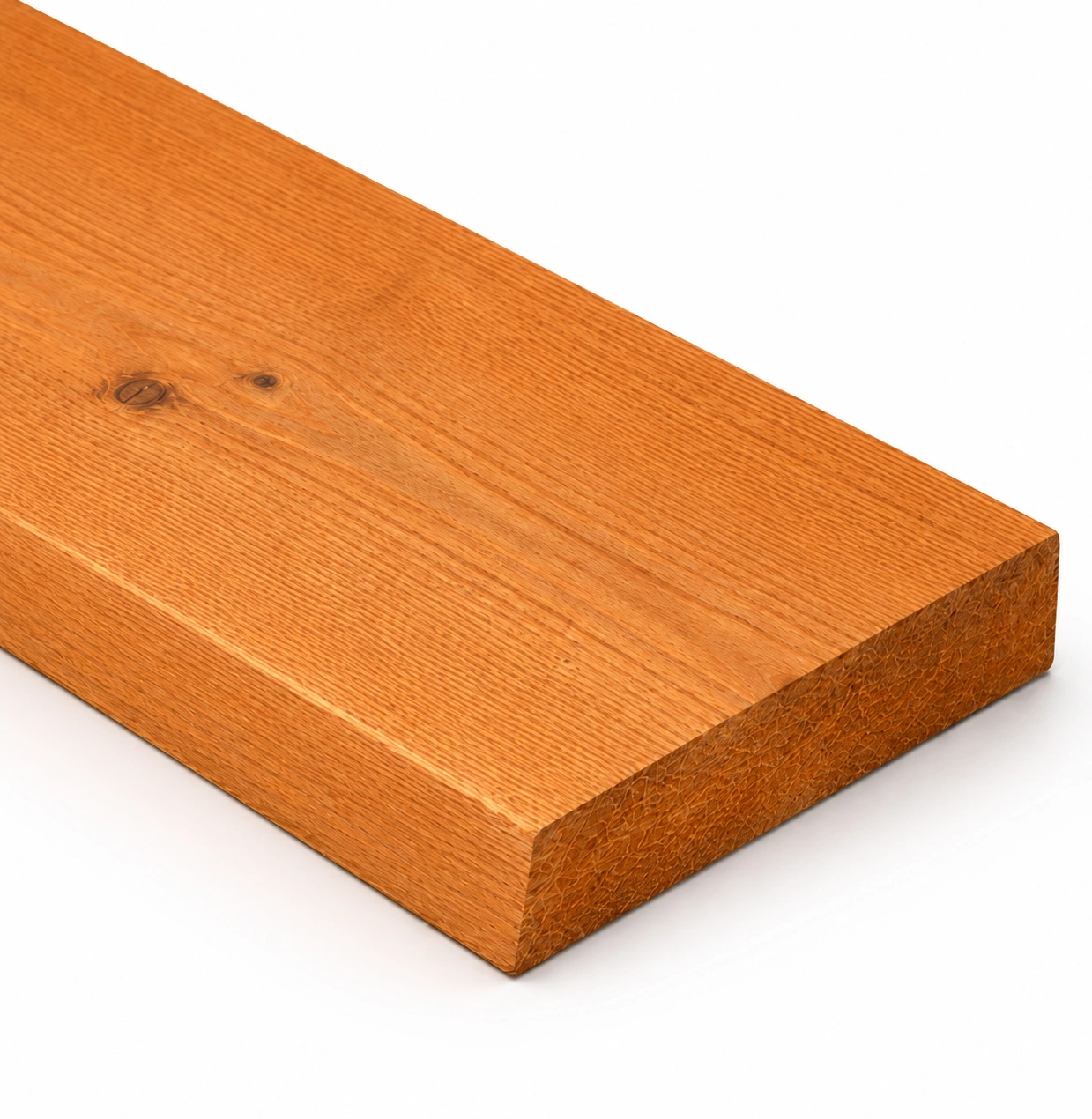
BFP Thermo® Spruce Wood
BFP Thermo® Spruce wood stands out as a cost-effective and versatile option for various construction applications.
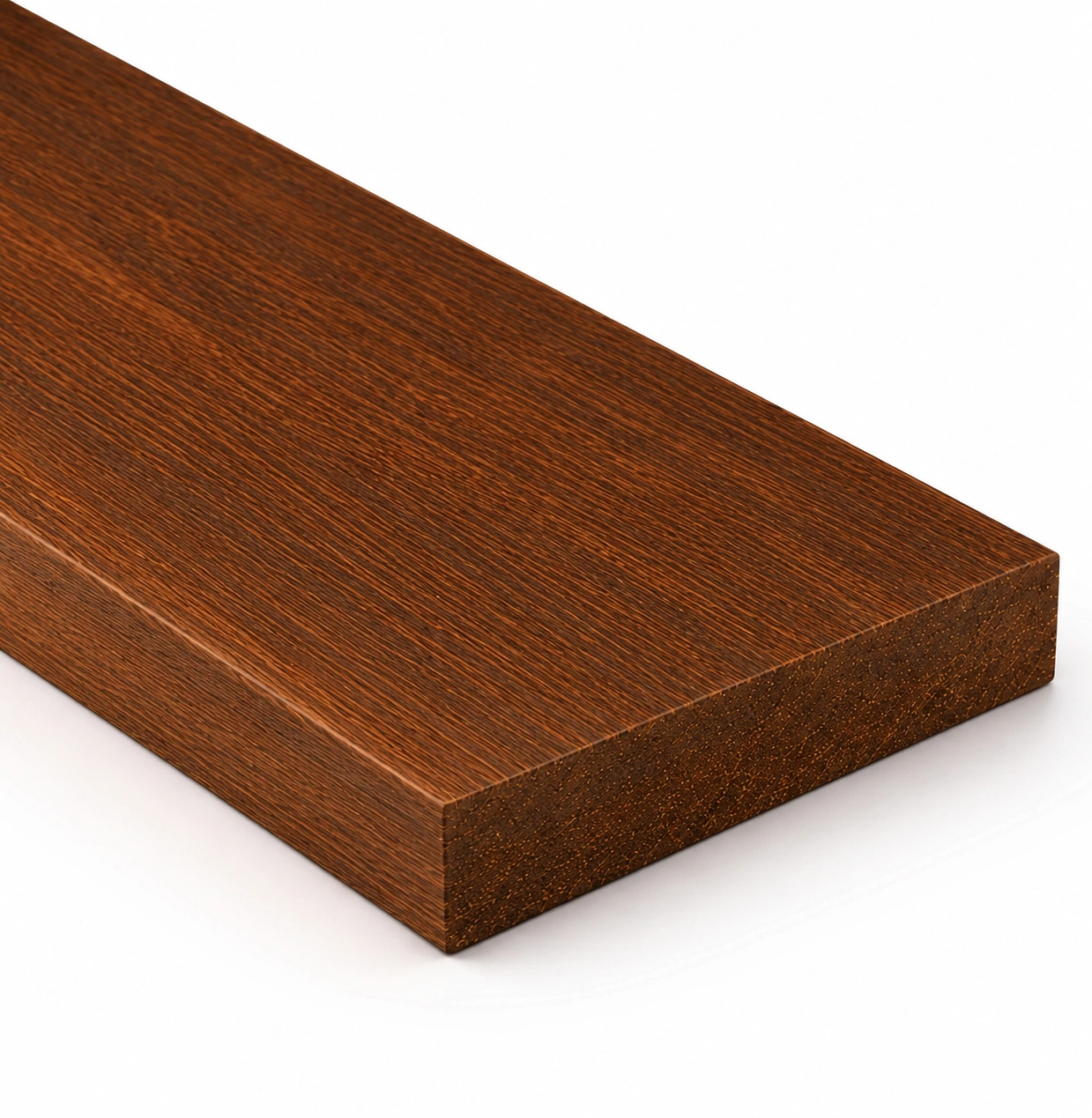
BFP Thermo® Tulip
BFP Thermo® Tulip combines lightweight strength with superior durability for elegant, high-performance exterior wood applications.
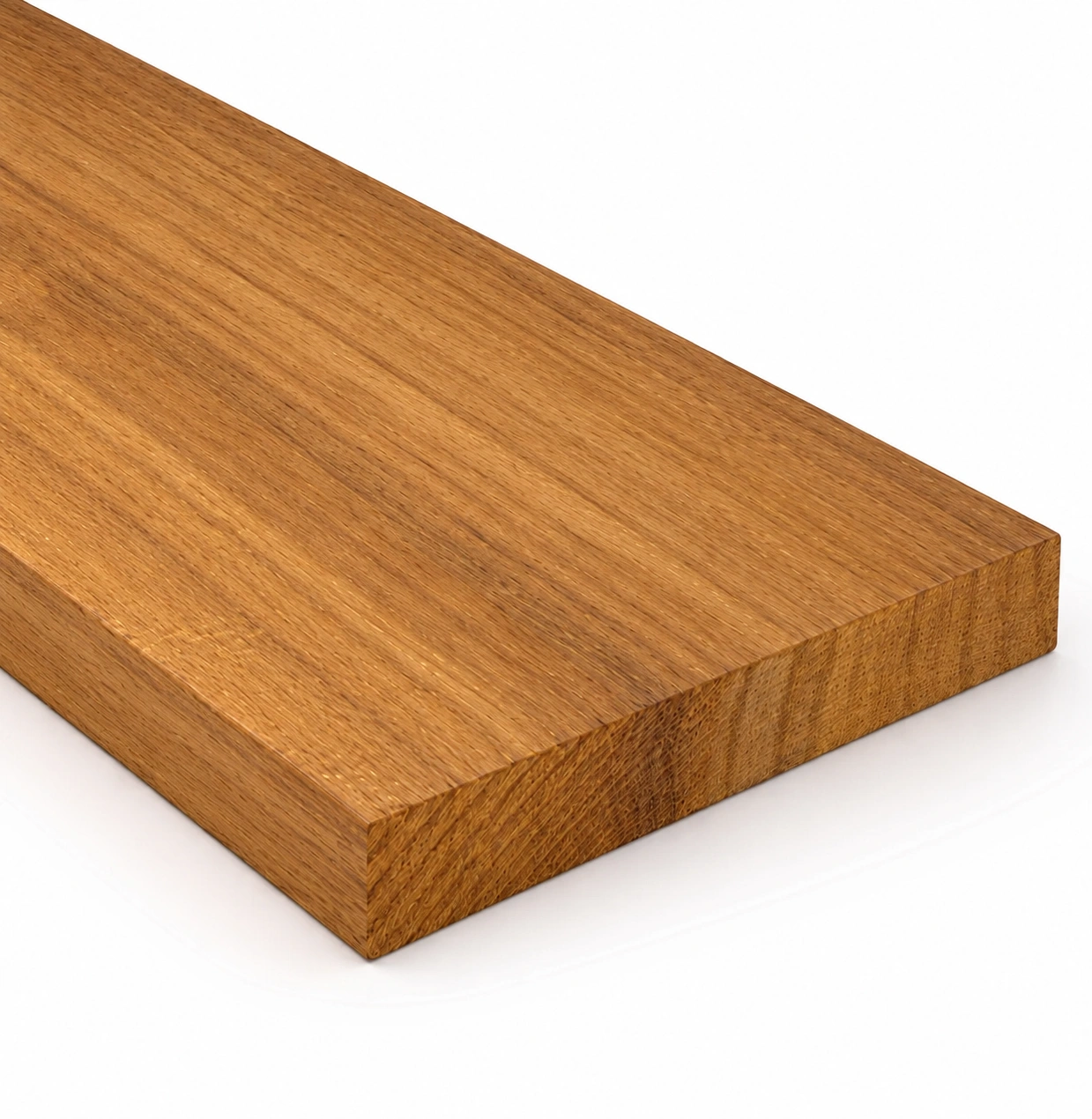
BFP Thermo® Ayous
BFP Thermo® Ayous offers a premium, sustainable alternative to traditional hardwoods, particularly suited for architectural applications.
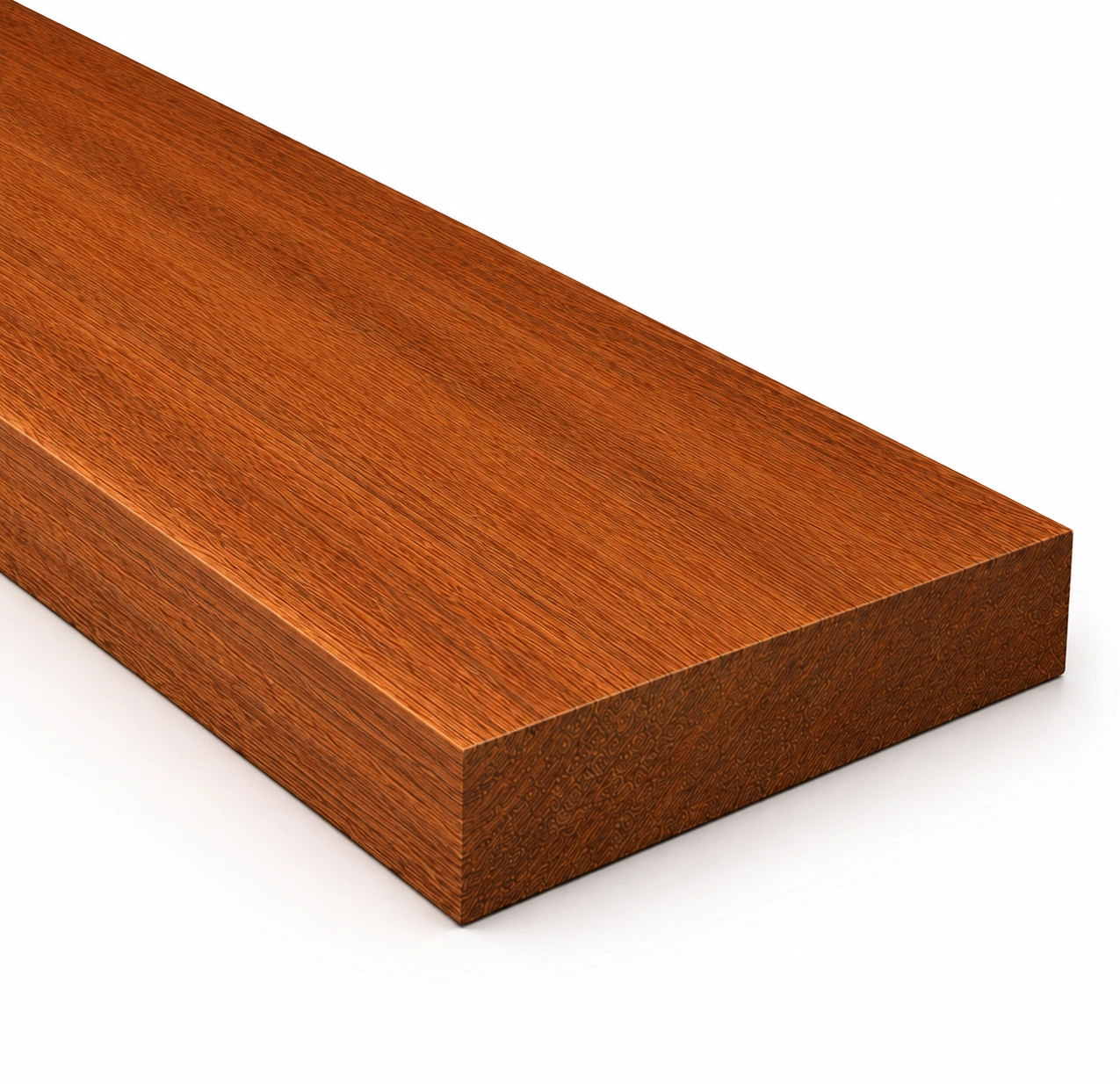
BFP Thermo® Beech
BFP Thermo® Beech provides durable, dimensionally stable timber for premium exterior cladding, decking, and façade applications.
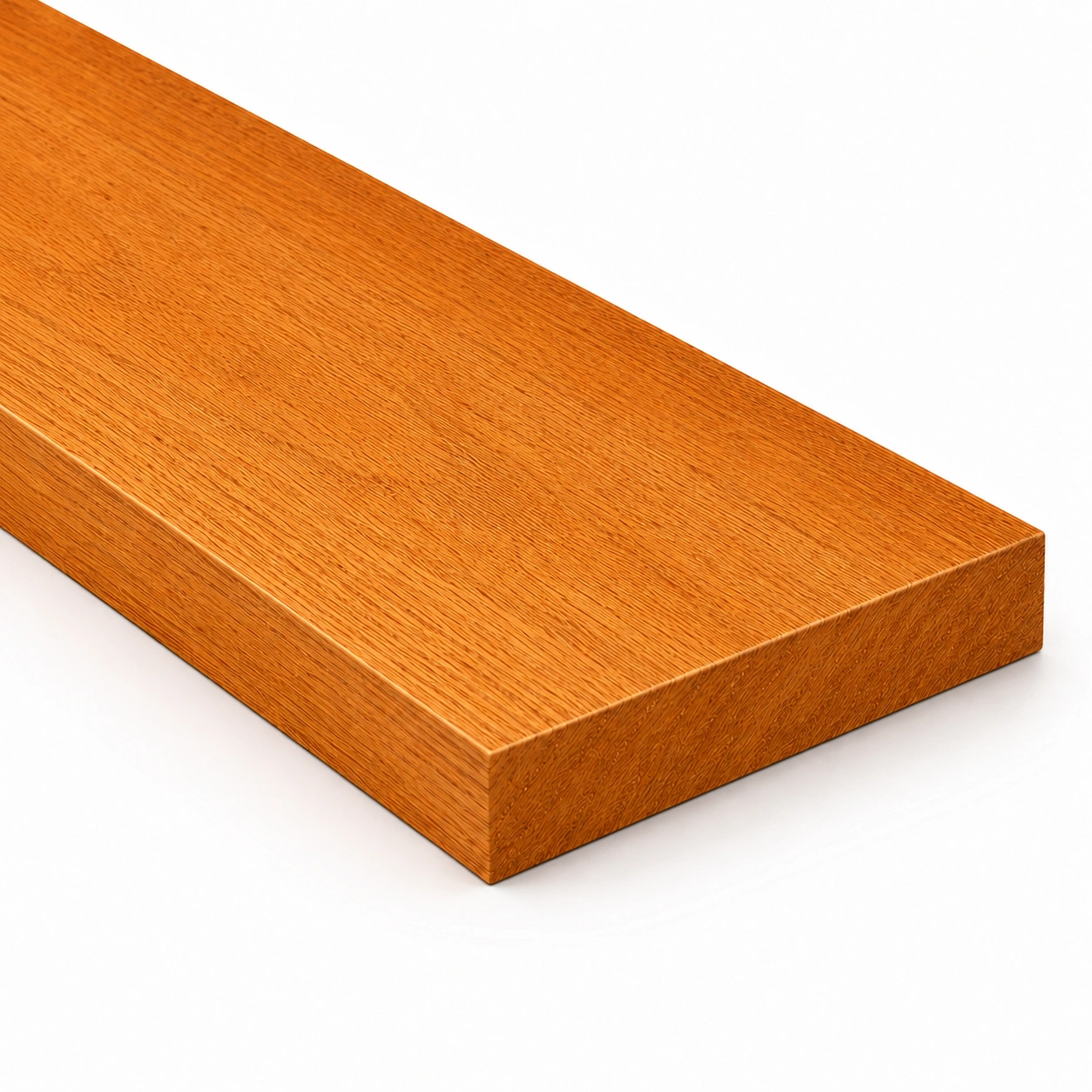
BFP Thermo® Maple
BFP Thermo® Maple delivers exceptional durability, dimensional stability, and timeless elegance for premium exterior wood applications.
Frequently Asked Questions About Thermo Eucalyptus Wood
Why does eucalyptus benefit so much from thermal modification?
Does modification make eucalyptus fully durable outdoors?
Is all eucalyptus the same?
How hard is it to work?
Can BFP supply eucalyptus decking profiles?
Expert Advice
- 91 99920 23769
- +91 97277 95221
- enquiry@bfppl.com
- Kaithal, Haryana | Global Presence
From the World of Timber