BFP Thermo® Tulip Wood for Sustainable Architecture
What is BFP Thermo® Tulip Wood?
Tulip wood (Liriodendron tulipifera), also known as American tulipwood or yellow poplar, is a lightweight hardwood with an average dried density of around 455 kg/m³ and a low Janka hardness of roughly 540 lbf. In its natural state it is easy to work but non-durable (EN 350 Durability Class 5), which historically ruled it out for exterior use. Thermal modification changes that fundamentally.
BFP Thermo® Tulip is produced by heating the timber to approximately 180–215 °C in a low-oxygen atmosphere, with no chemicals or preservatives. This drives out moisture, breaks down the sugars that feed decay fungi, and permanently lowers the wood’s ability to absorb water. Independent testing carried out for the American Hardwood Export Council (by CATAS in Italy) has rated thermally modified tulipwood at EN 350 Durability Class 1 — very durable, on a par with many tropical hardwoods — supporting an above-ground exterior service life of around 30 years.
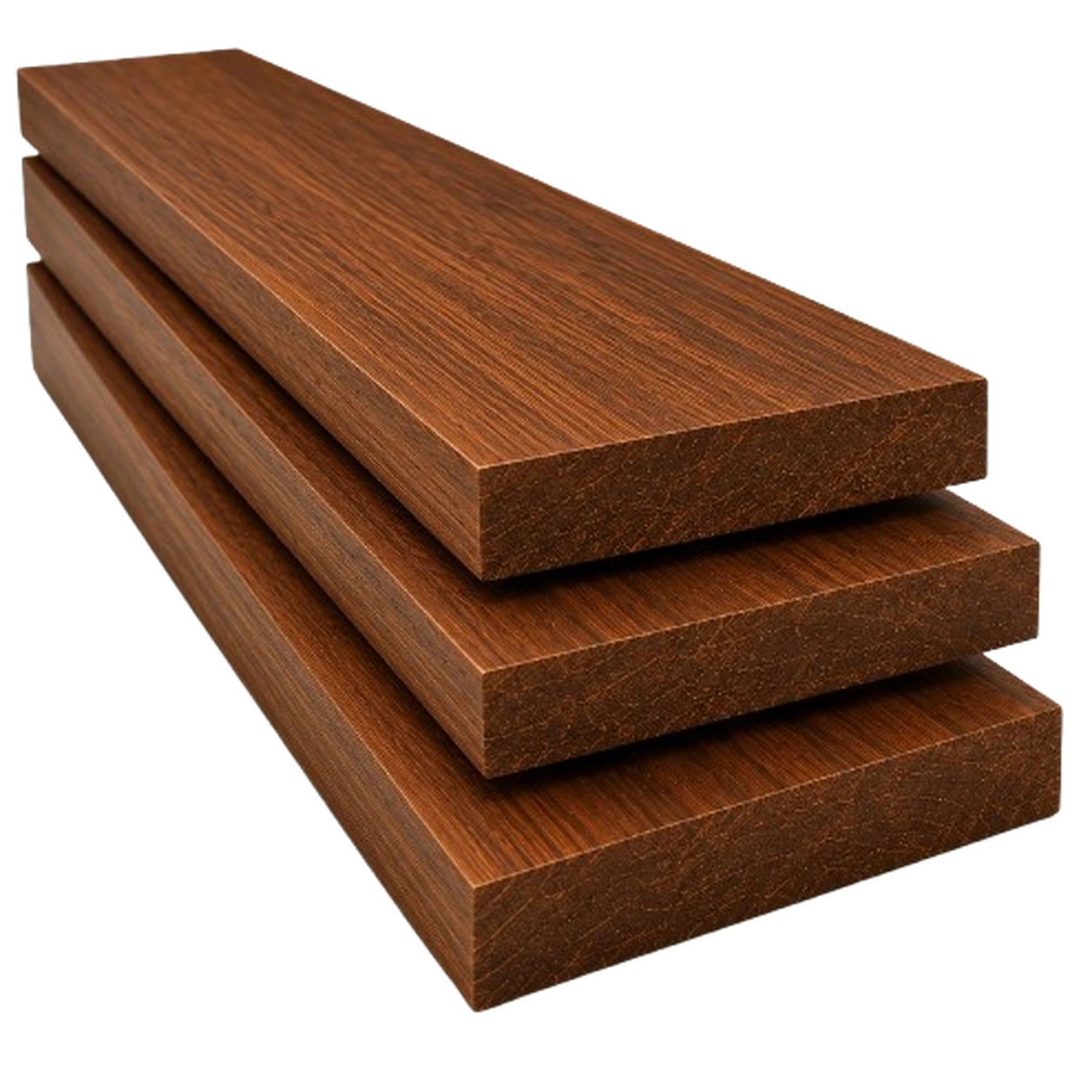
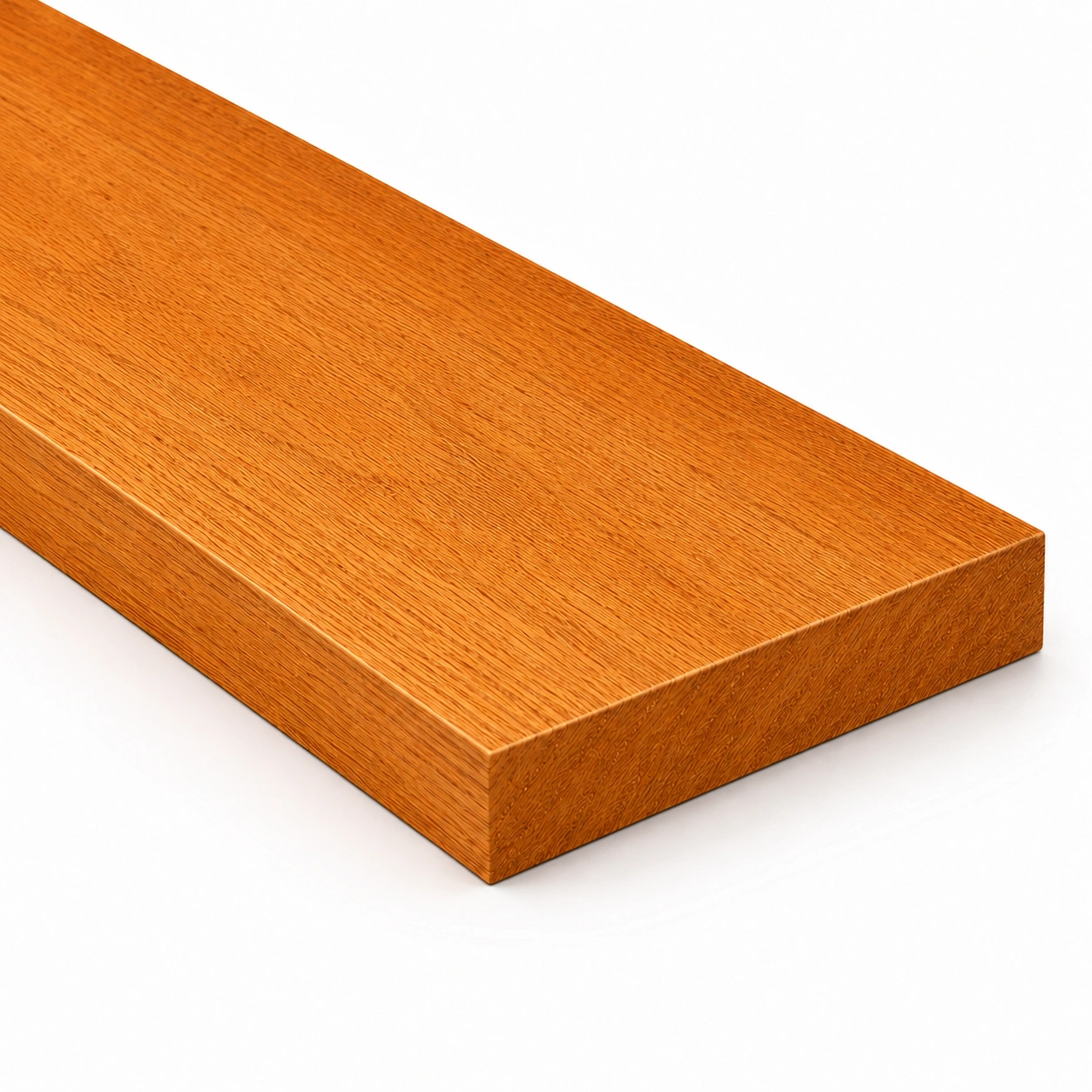
The modification also transforms the appearance. Tulipwood’s pale, greenish-cream colour deepens to a rich, uniform brown that runs through the full thickness of the board, so machined edges and minor scratches blend in rather than showing pale. Left uncoated outdoors, it weathers gracefully to a silver-grey patina.
Thermally modified tulipwood has a strong architectural track record — it was the cladding chosen for Maggie’s Oldham, cited as the first UK building to be completely clad in the material — and its light weight makes it easier to handle and fix on site than dense tropical alternatives.
As a trusted timber supplier in India, we develop custom tulipwood profiles to order. Buyers who compare thermo tulip wood price against tropical hardwood cladding often find it competitive once its renewability, stability, and 30-year exterior performance are factored in.

Workability
Tulipwood is one of the easiest hardwoods to machine, cutting, planing, and sanding cleanly, and it takes coatings exceptionally well. After thermal modification it becomes lighter, drier, and somewhat more brittle, and its bending strength is reduced — so pre-drilling before fixing is recommended, and it should not be specified for primary structural or load-bearing roles. It excels as a finish and cladding material rather than a beam.

Sustainability
Tulipwood is among the most sustainable hardwoods available. It accounts for roughly 7% of standing US hardwood volume and is harvested at well below its rate of natural growth, so the resource is expanding. It is not listed in the CITES Appendices or on the IUCN Red List of Threatened Species. The thermal process itself relies solely on heat and steam, adding no preservatives, making the finished product recyclable and free of chemical treatment.

Common Uses
Thermo tulip is used primarily for exterior cladding and rainscreen façades, along with soffits, slatted screens, garden fencing, external joinery, and decorative interior paneling — applications that exploit its durability and stability rather than raw strength.
Our Thermo® Tulip Wood Selection Includes:
- Clear materials with no knots or fractures.
- Options with and without edges and in a range of widths.
- Enhanced resistance to moisture, decay, fungal attack, and weather exposure.
- Thicknesses: 26mm, 38mm, 50mm, 65mm, and 75mm (note: thermal modification suits boards up to ~50mm).
- Custom sizes available upon request.
- Country of Origin: United States (eastern USA).
Our Premium BFP Thermo Collection
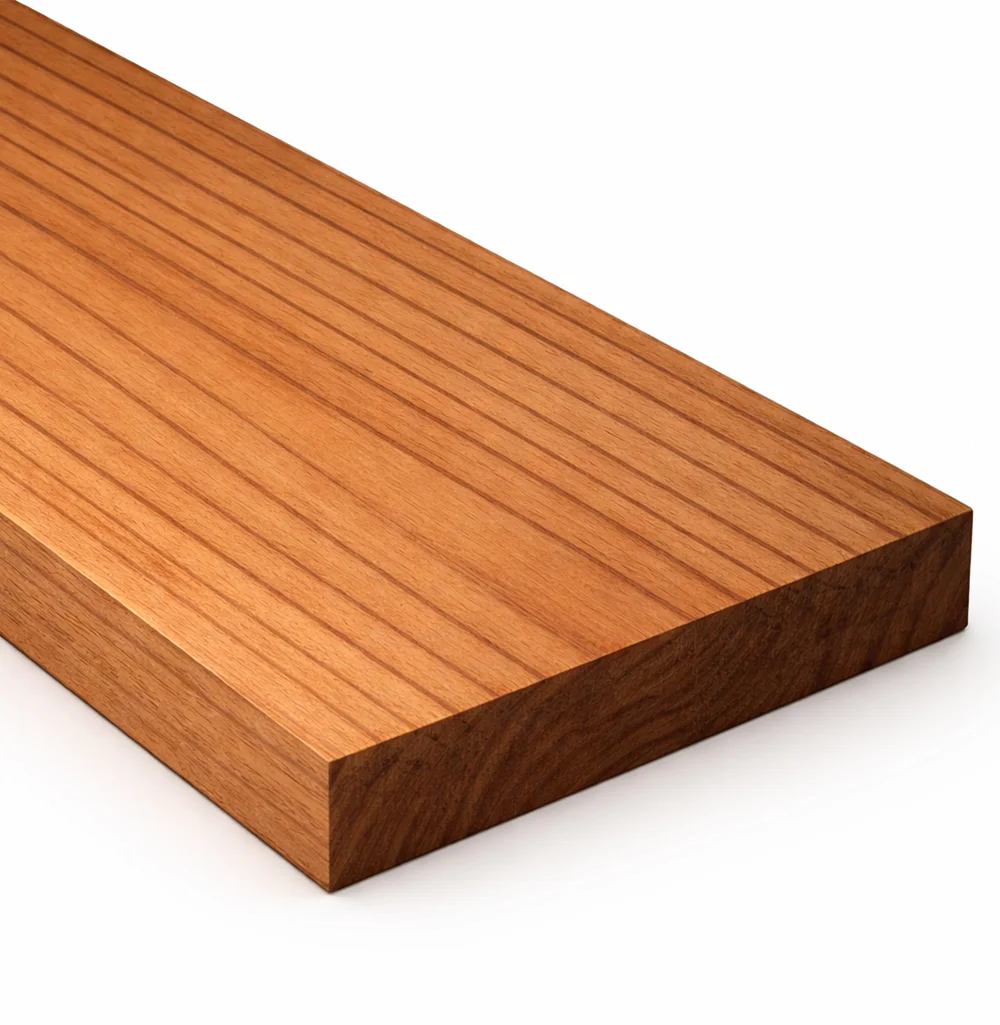
BFP Thermo® Pine Wood
BFP Thermo® Pine wood presents a sustainable alternative to tropical hardwoods, particularly well-suited for outdoor cladding.
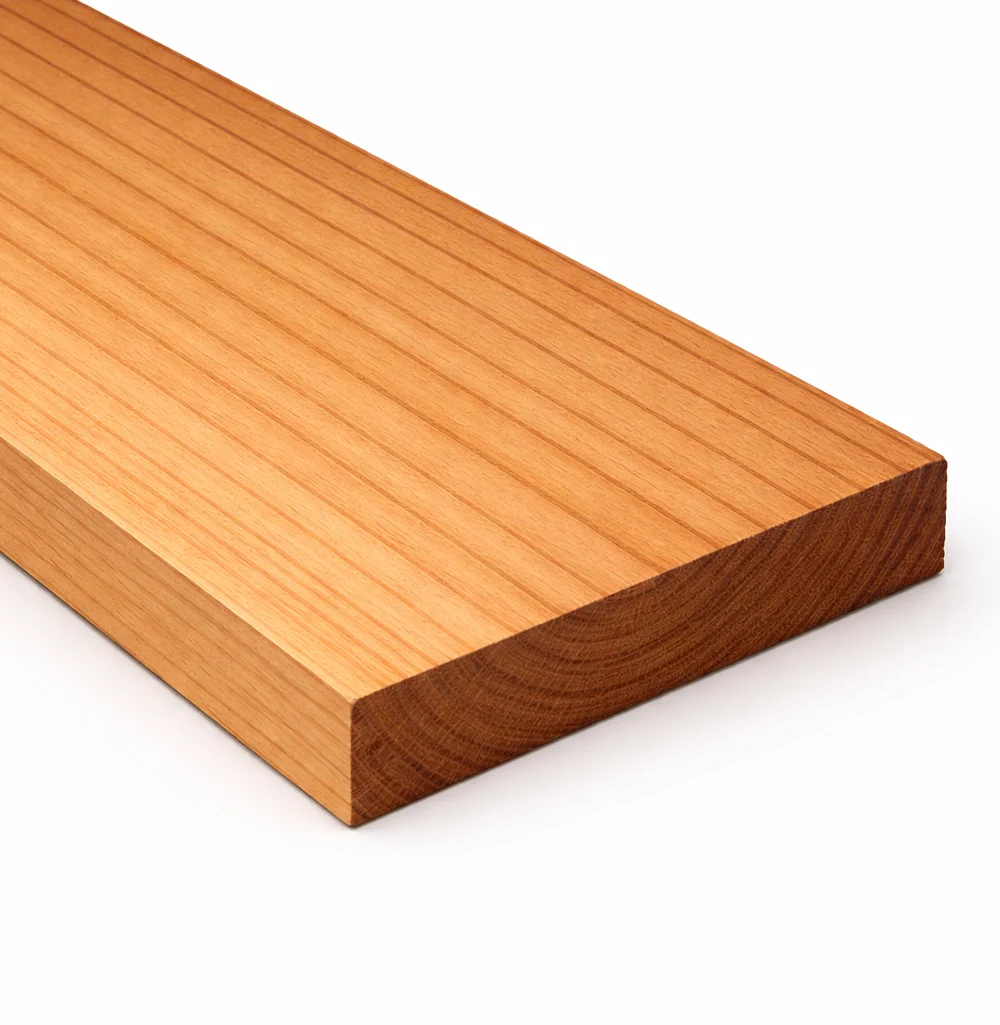
BFP Thermo® Radiata Pine
BFP Thermo® Radiata Pine is a practical choice for construction and design projects due to its enhanced durability and stability.
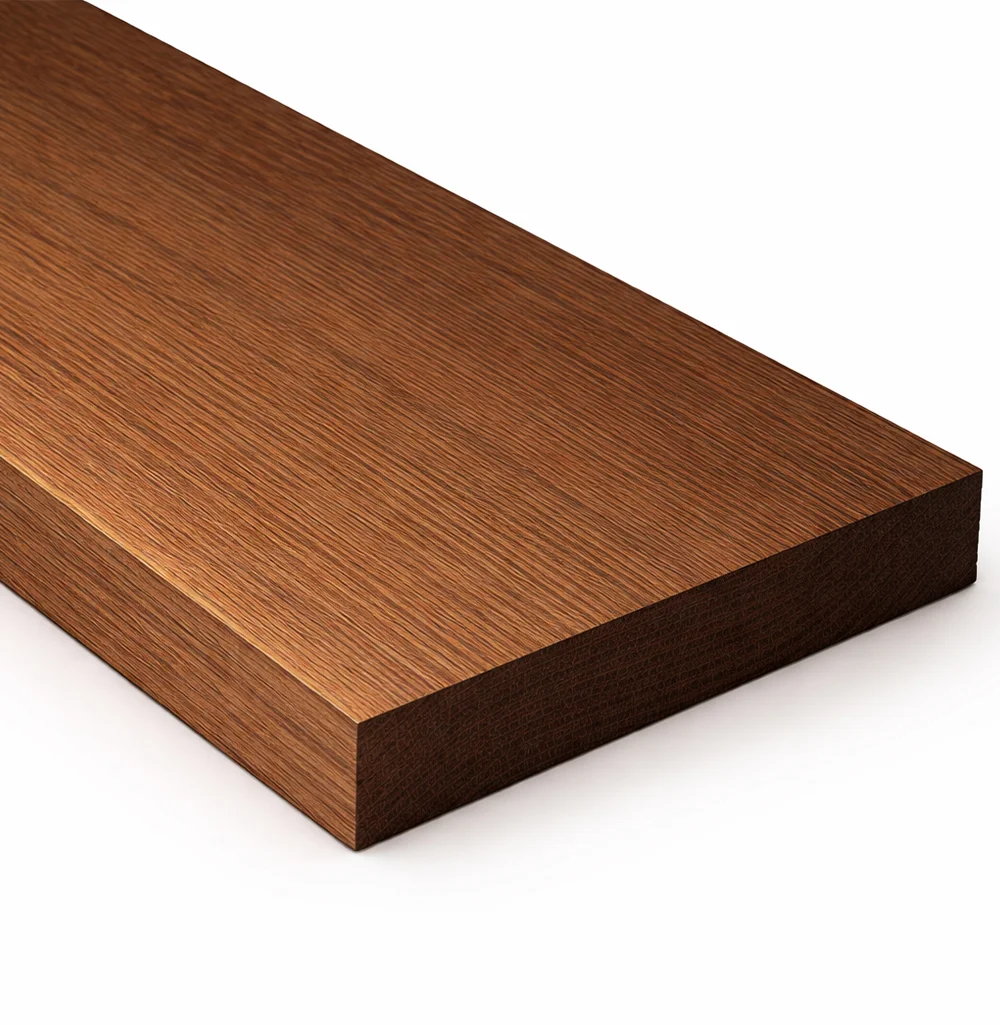
BFP Thermo® Oak
BFP Thermo® Oak is a prized hardwood renowned for its exceptional blend of strength, hardness, and natural resistance to weathering.
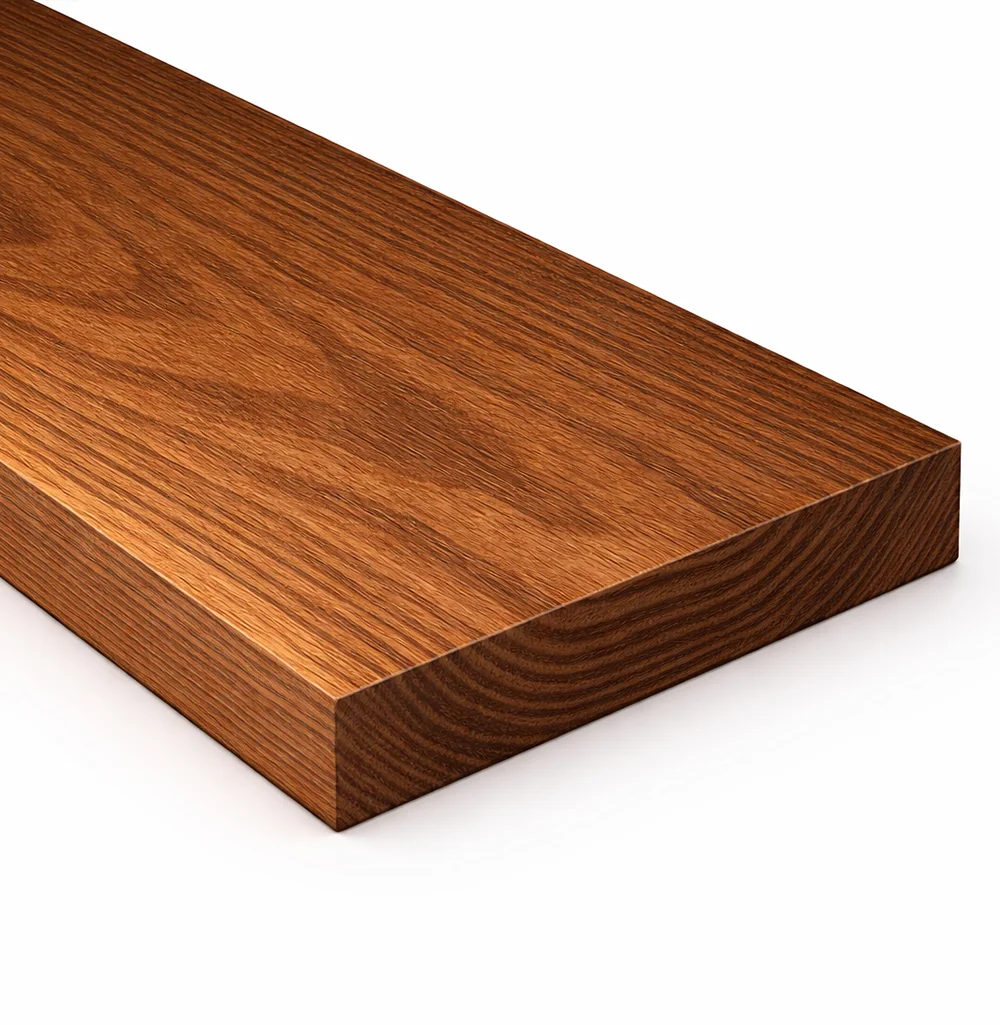
BFP Thermo® Ash Wood
BFP Thermo® Ash undergoes a heat-treatment process to enhance its strength, stability, and visual appeal.
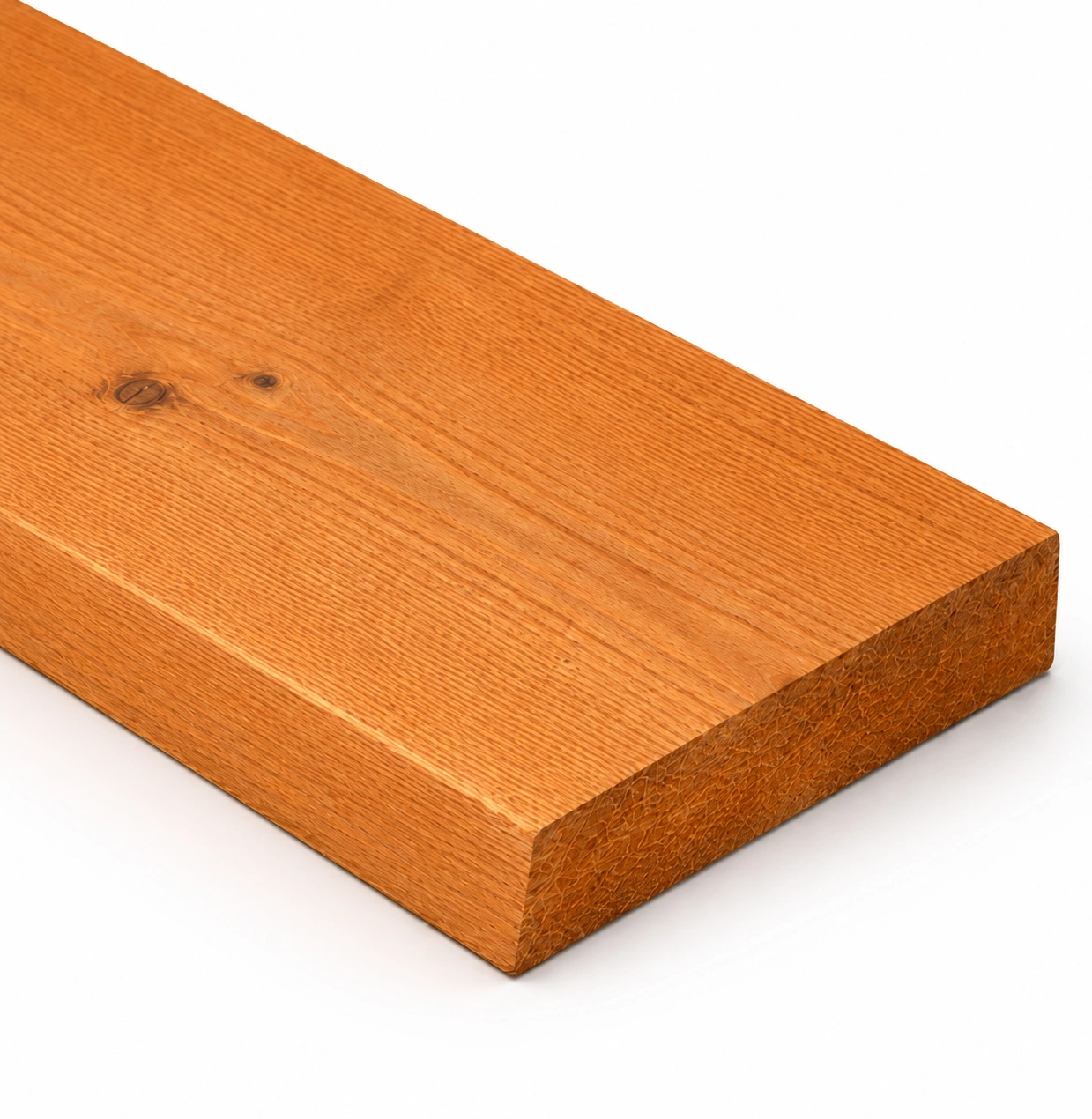
BFP Thermo® Spruce Wood
BFP Thermo® Spruce wood stands out as a cost-effective and versatile option for various construction applications.
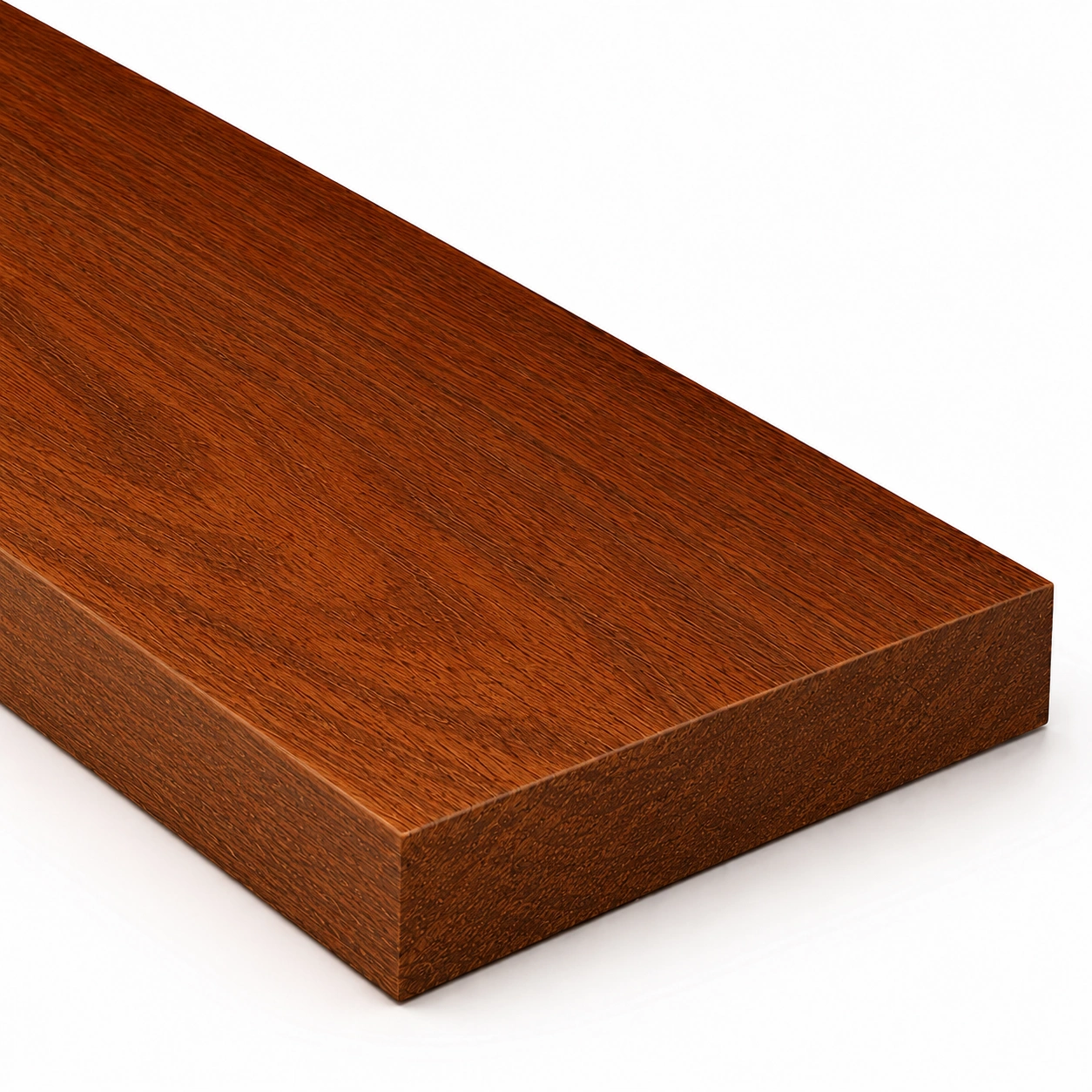
BFP Thermo® Eucalytus
BFP Thermo® Eucalyptus offers durable, sustainable timber with exceptional stability for premium exterior architectural designs.
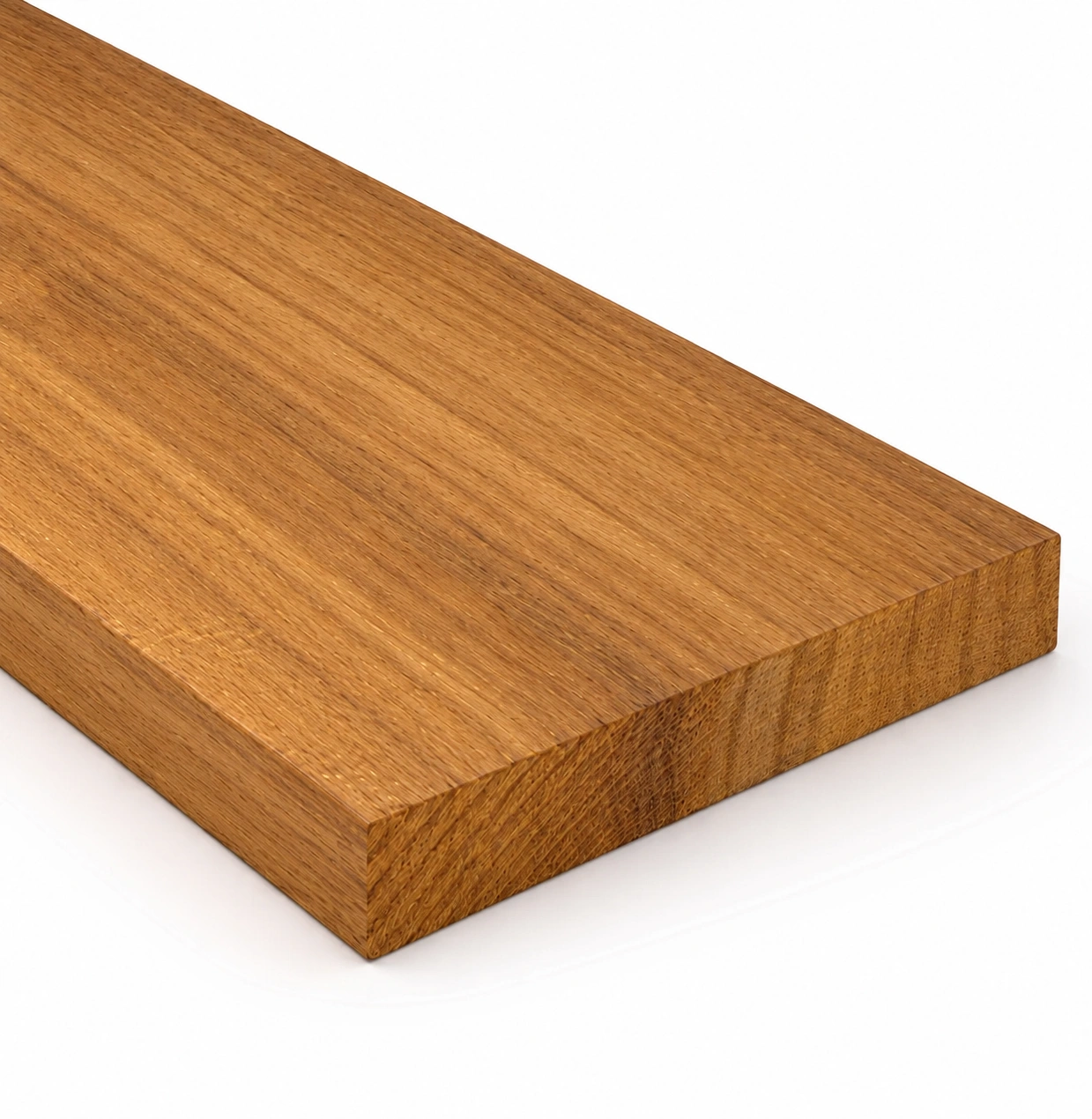
BFP Thermo® Ayous
BFP Thermo® Ayous offers a premium, sustainable alternative to traditional hardwoods, particularly suited for architectural applications.
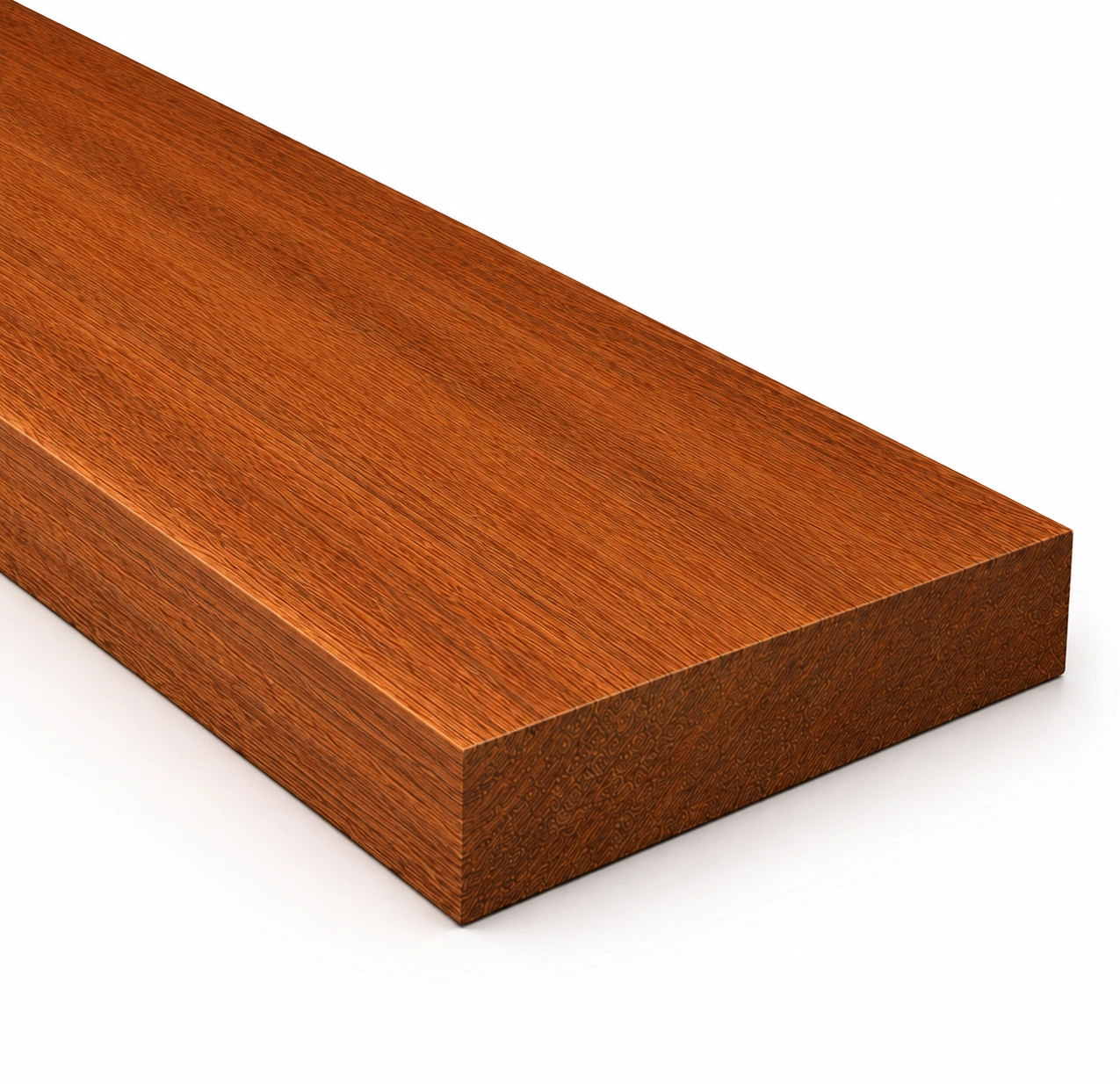
BFP Thermo® Beech
BFP Thermo® Beech provides durable, dimensionally stable timber for premium exterior cladding, decking, and façade applications.
BFP Thermo® Maple
BFP Thermo® Maple delivers exceptional durability, dimensional stability, and timeless elegance for premium exterior wood applications.
Frequently Asked Questions About Thermo Tulip Wood
Is thermally modified tulipwood really durable enough for outdoor cladding?
How does the treatment change the wood?
Can I use it for structural work?
Does it need finishing?
Can BFP supply custom tulipwood profiles?
Expert Advice
- 91 99920 23769
- +91 97277 95221
- enquiry@bfppl.com
- Kaithal, Haryana | Global Presence
From the World of Timber