Burma teak Wood for Luxury Modern Interiors
What is Burmese teak wood?

Workability
Natural burma teak wood offers strong form retention and durability by nature. It can give your furniture a beautiful appearance and a regal feel. White ants, other insects, and termites cannot harm burmese teak. It also requires less care because it is one of the toughest and most resilient types of wood.

Sustainability
This species of wood is not listed in the IUCN Red List of Threatened Species or the CITES Appendices. However, teak imports have been restricted as a result of a recent (February 2021) military coup in Myanmar, the world’s largest teak producer. The sale of red burma teak with the help of wood suppliers in India is associated with ongoing tyranny and breaches of human rights since the main corporation exporting the wood is owned by the government.

Common Uses
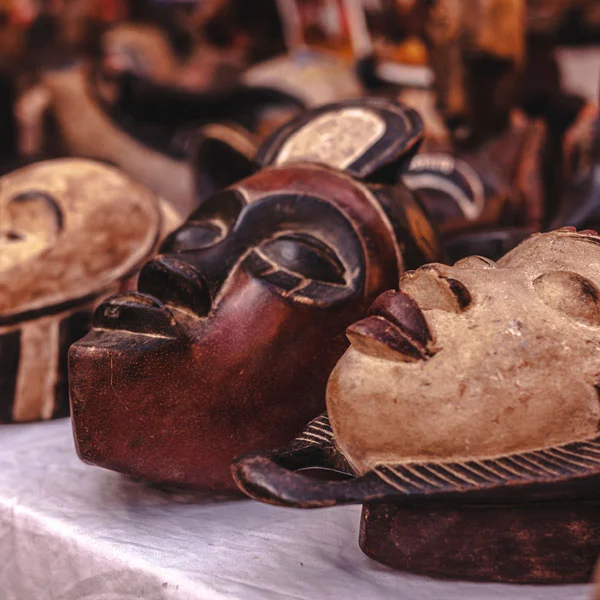
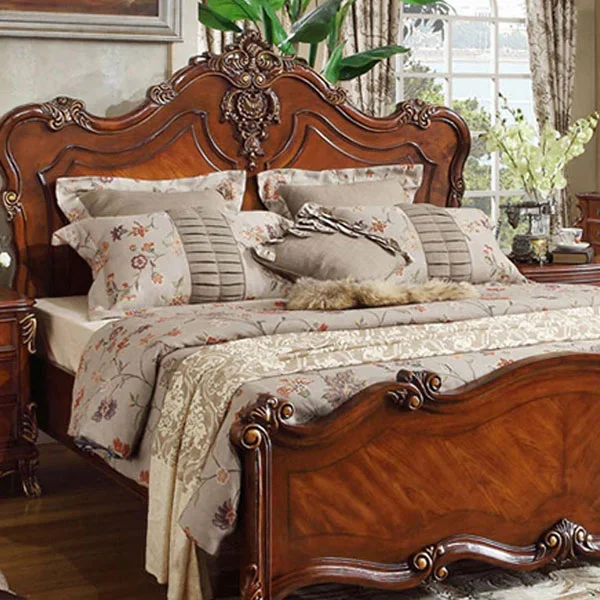
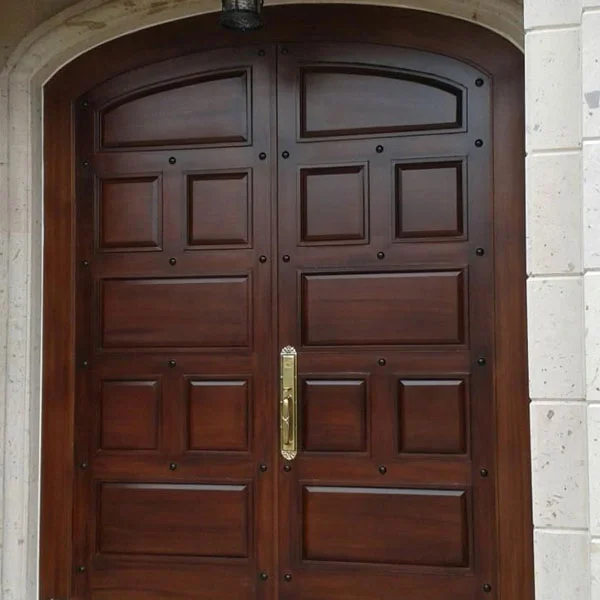
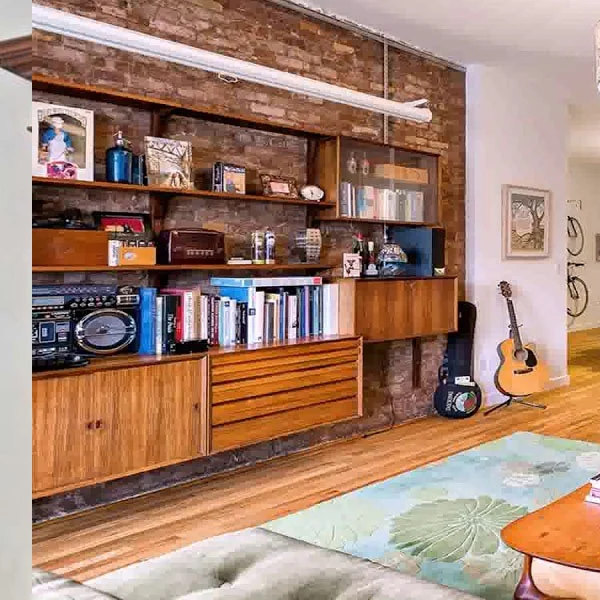
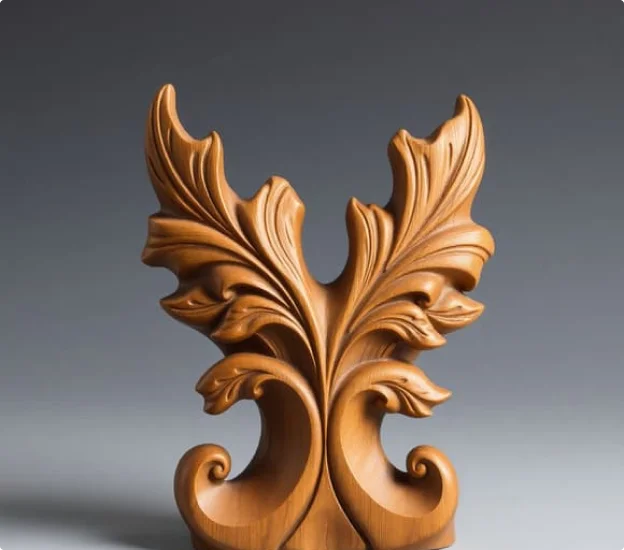
Carving, turning, veneer, furniture, exterior construction, ship and boat construction, and other tiny wood things.
Our collection of Burma teak wood products includes:
- No knots or breaks; clear
- Materials in KD and Non-KD are available.
- Common dimensions are length (6 feet and up), width (3 inches and up), and thickness (1.5 inch and up)
- On request, more dimensions are available.
- Origin: Burma

Characteristics
Tree Size
100-130 ft (30-40 m) tall
Trunk Diameter
3-5 ft (1-1.5 m)
Janka Hardness
1,070 lbf (4,740 N)
Average Dried Weight
40.9 lbs/ft3
Odor
When newly milled, teak can have a smell like leather.
Workability
Woodworkers can build a wide range of goods because of the material's excellent workability qualities.
Texture
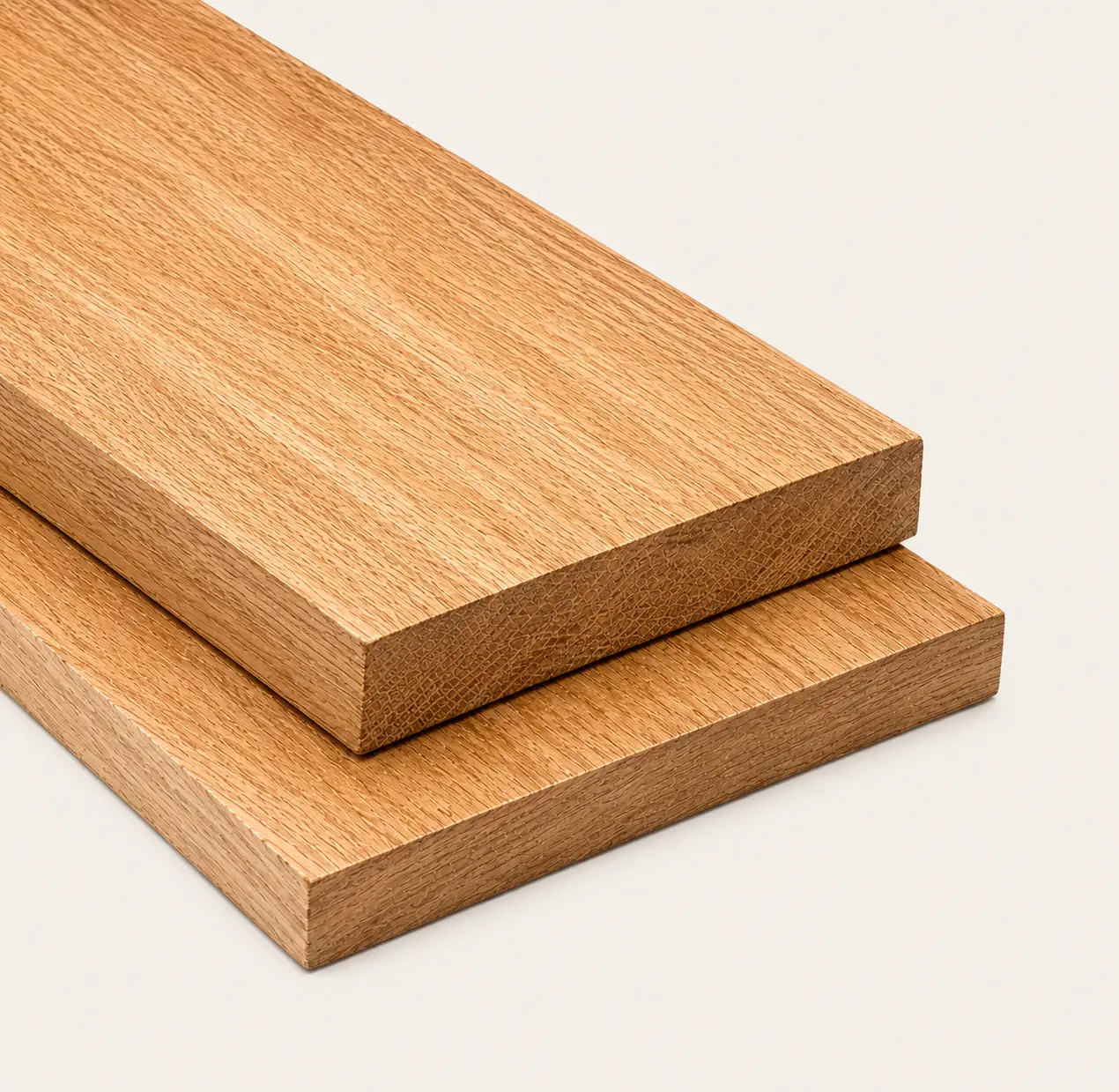
Although it can occasionally be wavy or interlaced, grain is generally straight. moderate to low natural shine and a rough, uneven texture. Natural oils give raw, untreated wood surfaces an oily or greasy texture.
Sustainability
Both the CITES Appendices and the IUCN Red List of Threatened Species do not include this wood species.
Drying
Easy
Durability
Very strong and durable
Maintenance
Requires less maintenance
Cost
It is the most expensive teak available in the market
Our Premium Teak Wood Collection
MP / Nagpur Teak
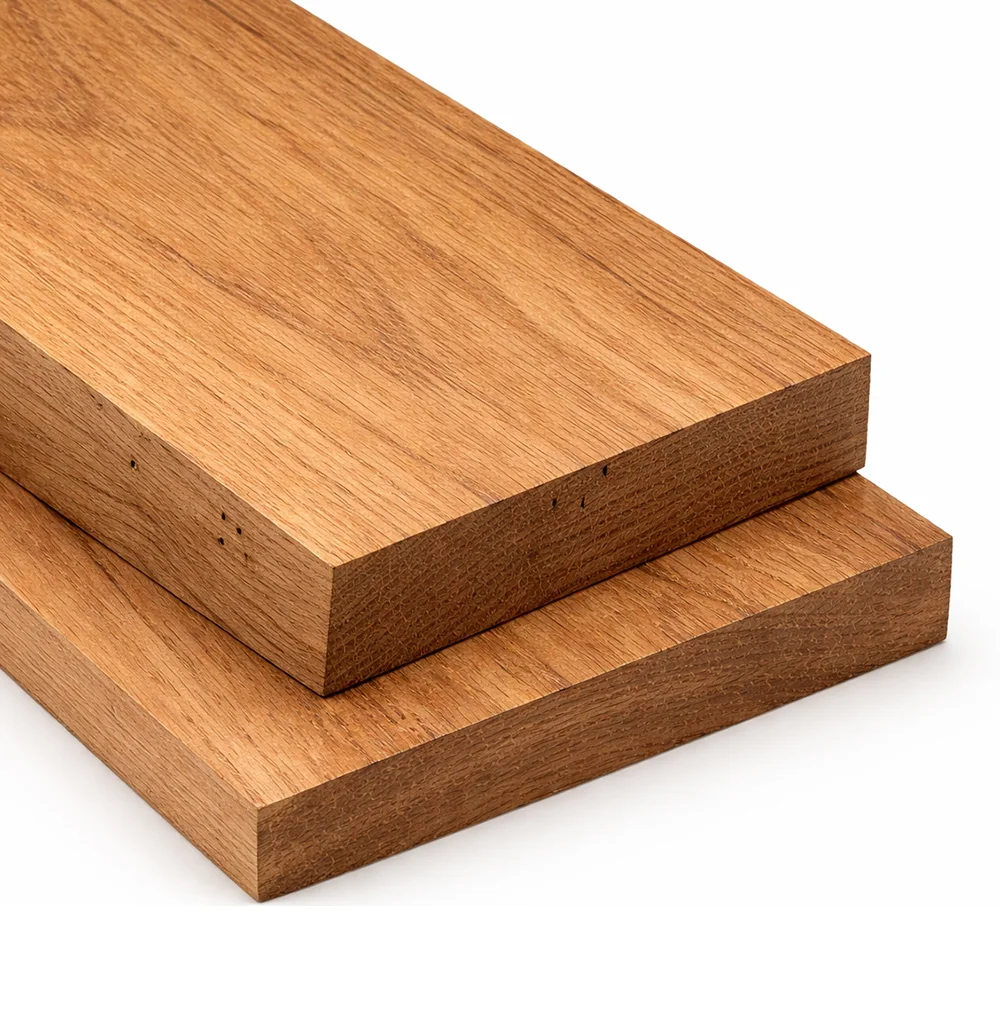
One of the most well-liked varieties of teak wood is MP (Madhya Pradesh), CP (Central Province), nagpur teak wood, or Indian teak wood.
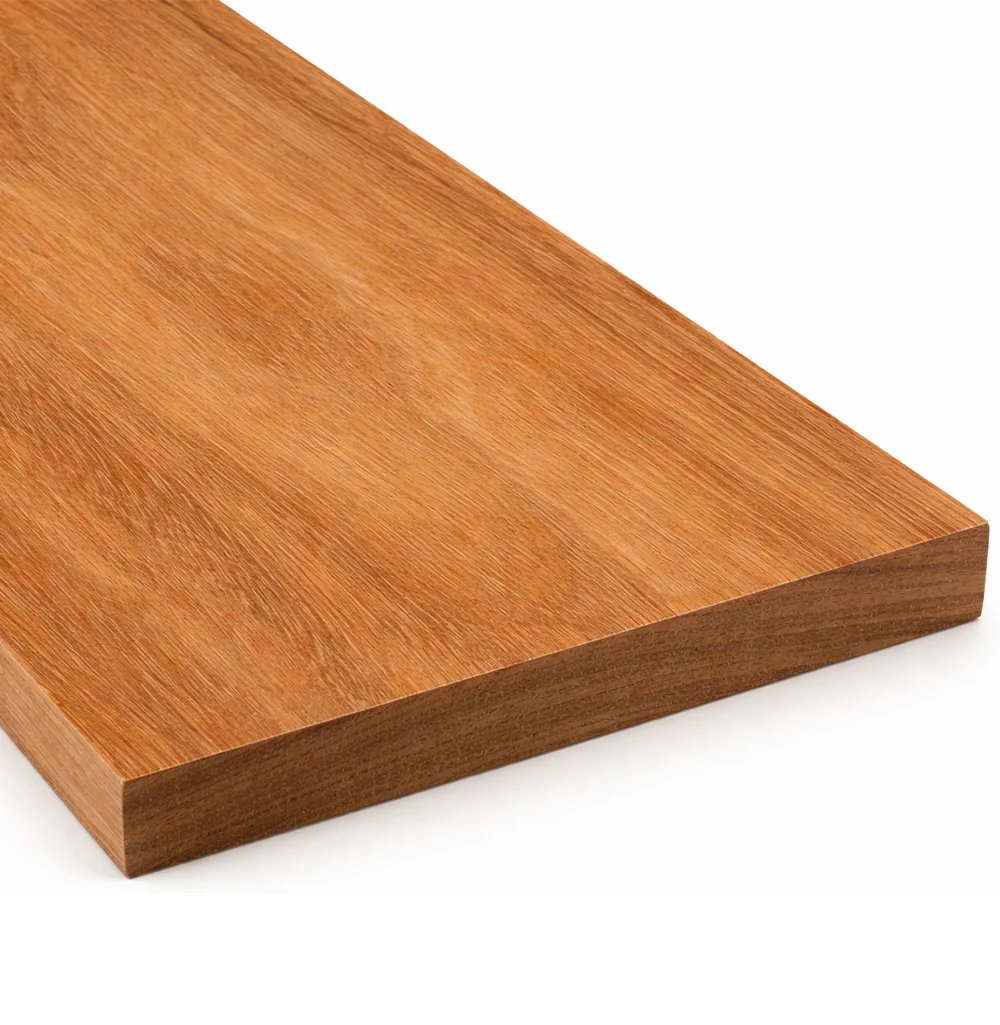
Latin/Plantation Teak
The term “plantation teak wood” also known as Latin American teak,” refers to teak trees grown in South America.
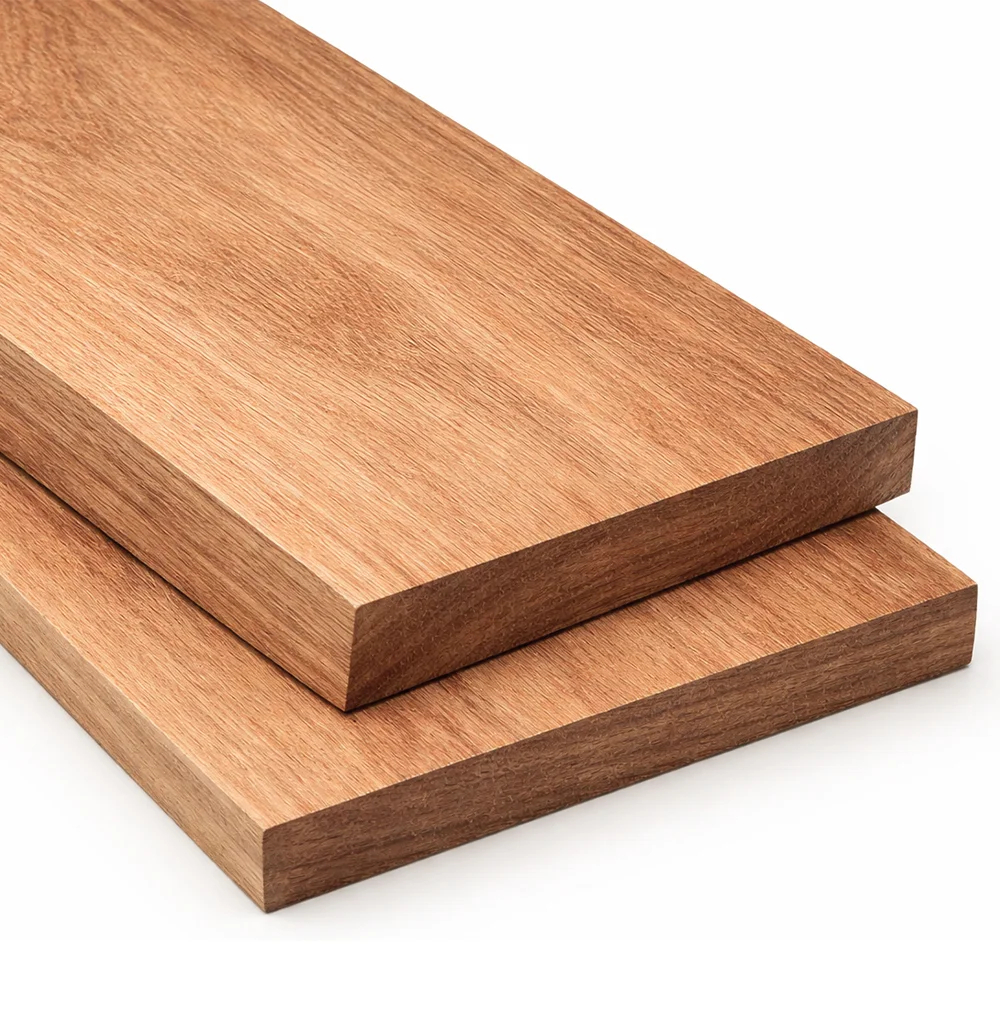
African Teak
Teak planted in Africa is referred to as African Teak Wood. It is indigenous to West Africa and esteemed for its great density and rot-resistance qualities.
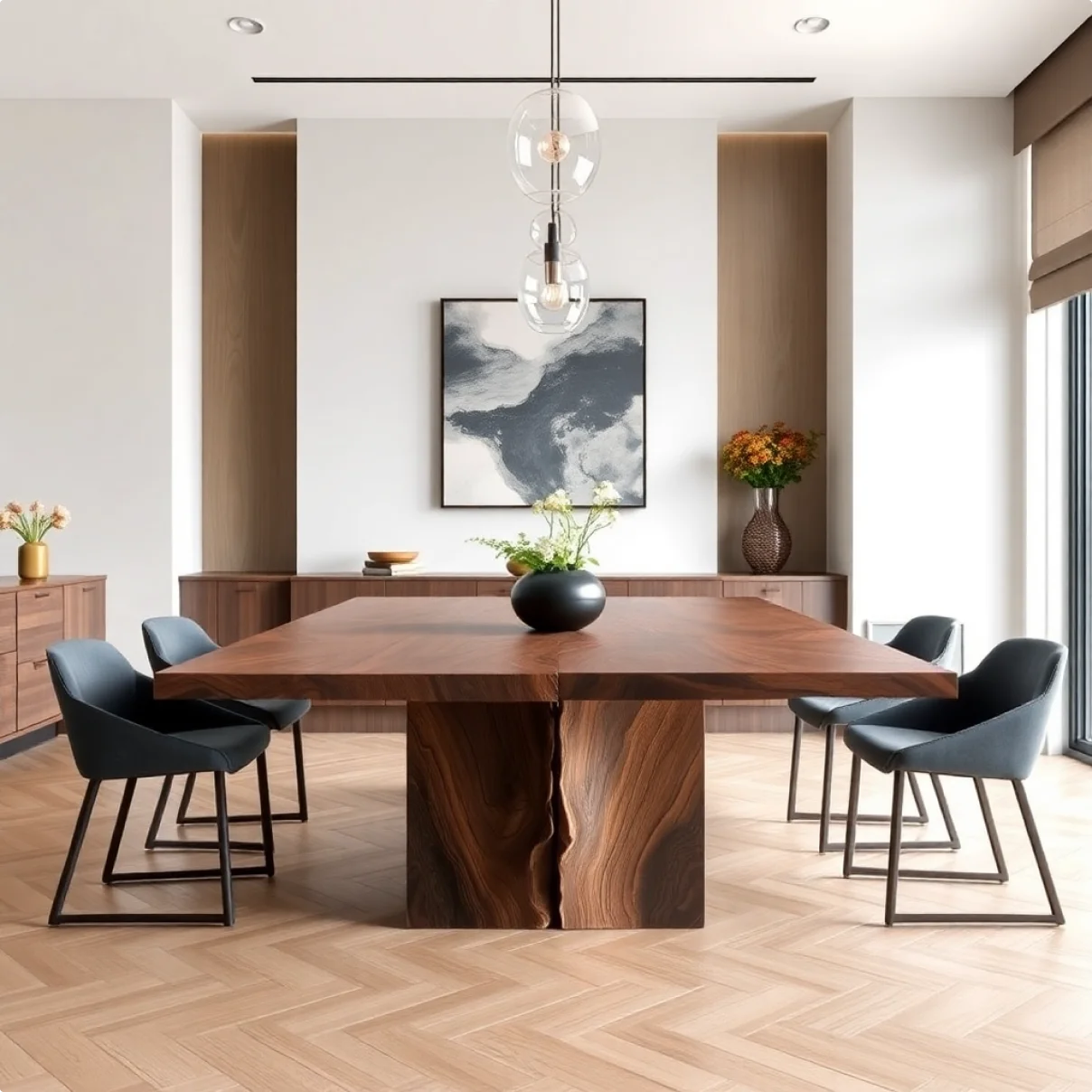
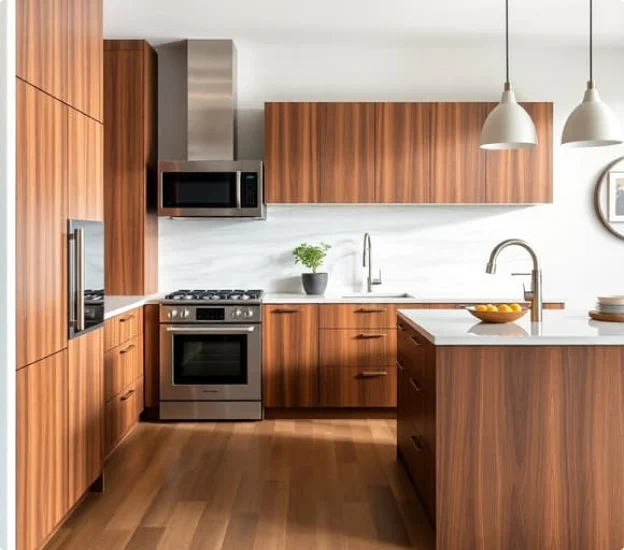
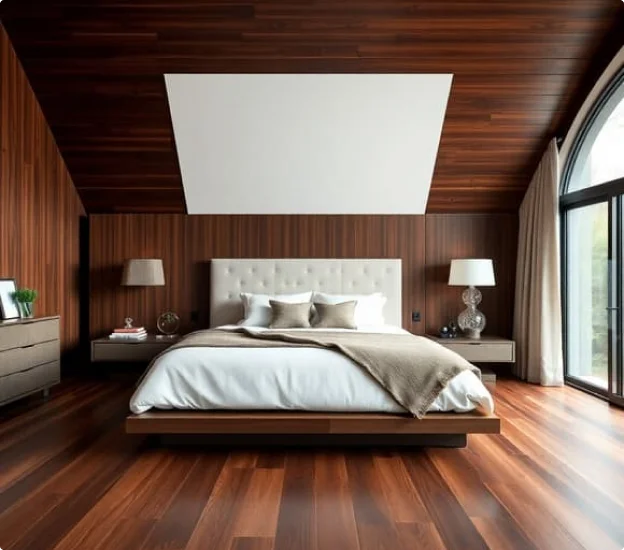
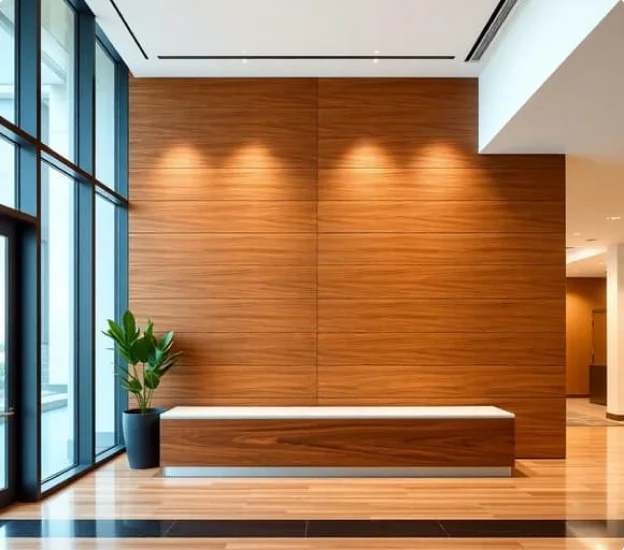
Applications of Burmese teak Harwood
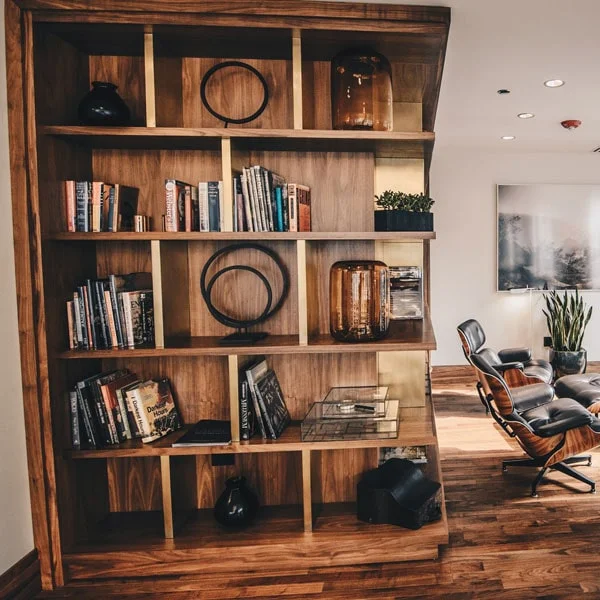
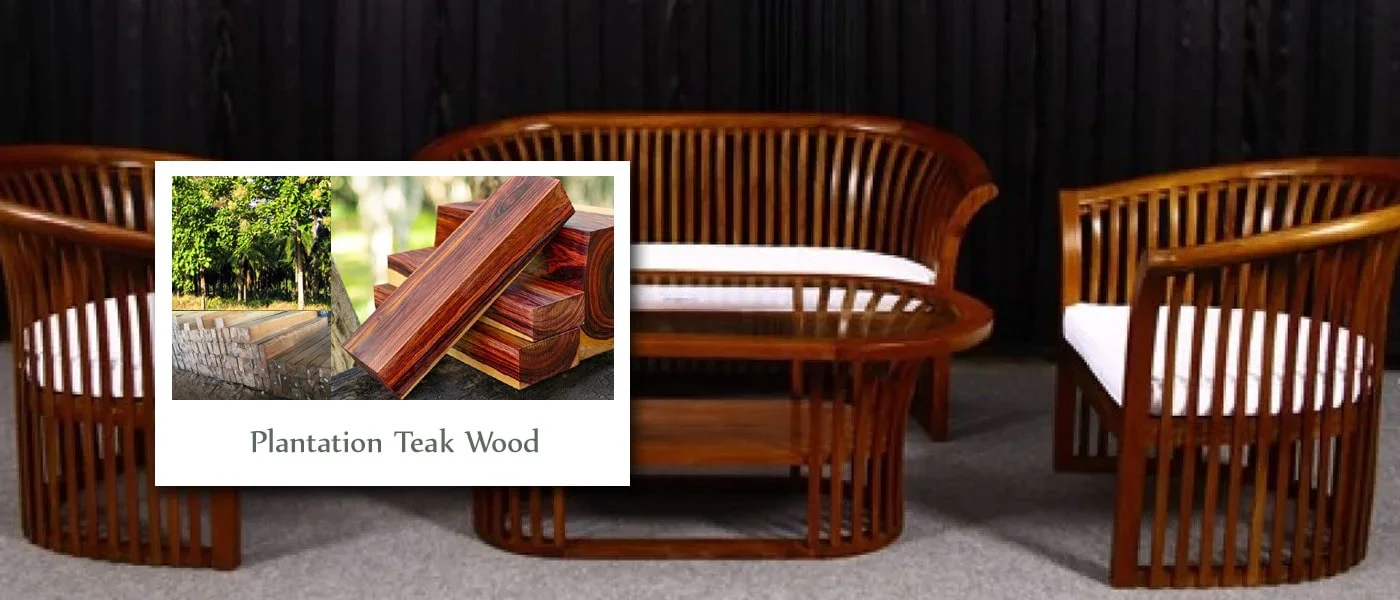
Frequently Asked Questions About Burma Teak Wood
What is Burma Teak Wood mainly used for?
What makes natural Burma teak wood premium?
Where is Burma teak veneer commonly used?
Is red Burma teak suitable for furniture?
Does Burmese teak require heavy maintenance?
Expert Advice
- 91 99920 23769
- +91 97277 95221
- enquiry@bfppl.com
- Kaithal, Haryana | Global Presence
From the World of Timber